How to Avoid "Lifestyle Creep" After a 2026 Promotion
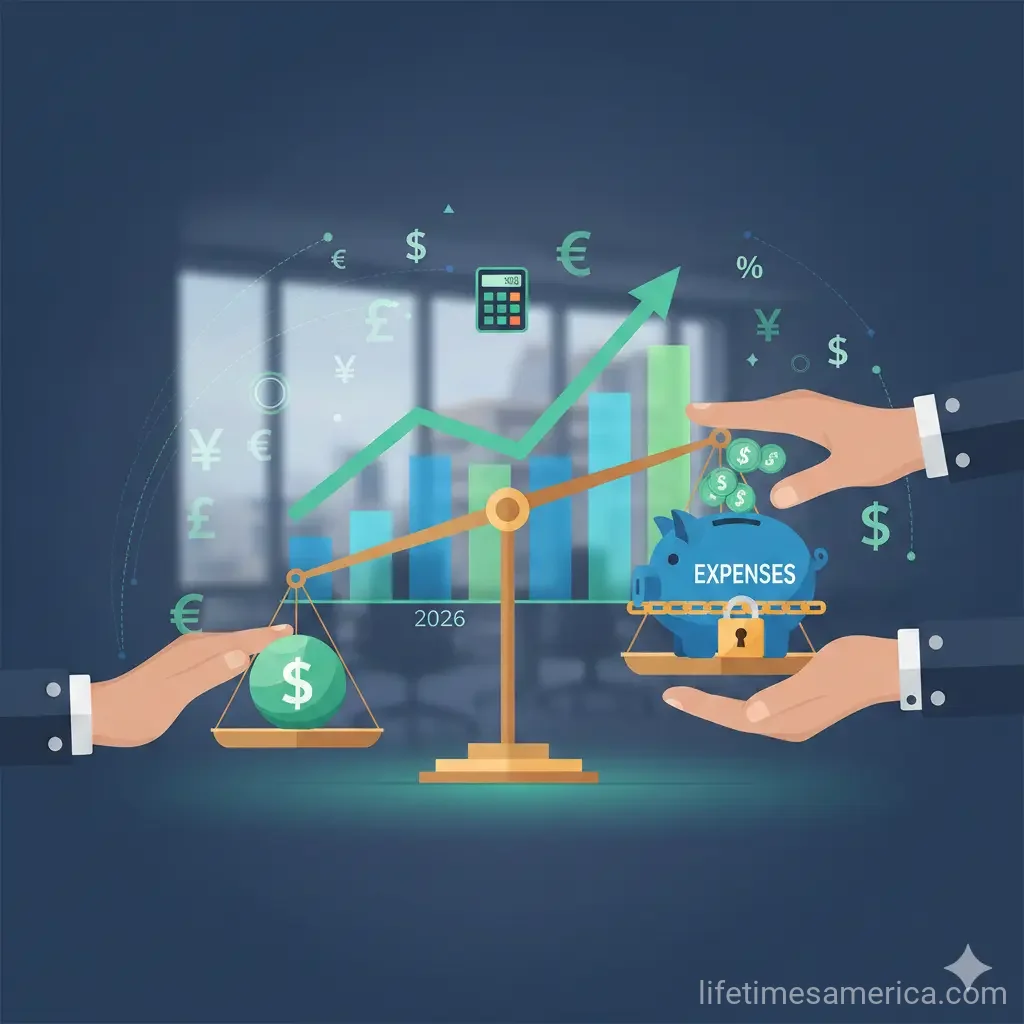
Picture this: You've just landed that well-deserved promotion in 2026, your salary jumps by 20% or more, and suddenly you're eyeing a sleeker car, fancier dinners out, or that home upgrade you've alwa...
The Lifetimes America editorial team curates, fact-checks, and updates guides on personal finance, property, health, immigration, legal, business, and lifestyle topics relevant to Lifetimes America readers. Articles are produced with AI assistance and reviewed by the editorial team before publication.
Picture this: You've just landed that well-deserved promotion in 2026, your salary jumps by 20% or more, and suddenly you're eyeing a sleeker car, fancier dinners out, or that home upgrade you've always wanted. It's exciting—but without a plan, this rush of extra cash can vanish into lifestyle creep, leaving you no richer than before.
Lifestyle creep, also known as lifestyle inflation, happens when your spending rises right alongside your income, often erasing the financial gains from your hard work. For Americans navigating rising costs in 2026—from housing to groceries—this trap is more common than ever, even among high earners living paycheck to paycheck. The good news? You can enjoy your success while building real wealth. This guide shares practical strategies tailored for U.S. households, drawing on current financial insights to help you avoid the creep after your 2026 promotion.
What Is Lifestyle Creep and Why Does It Hit After a Promotion?
Lifestyle creep occurs when discretionary spending expands as your disposable income grows, turning "wants" into perceived "needs." After a promotion, that extra pay feels like permission to upgrade: maybe a pricier apartment in a better neighborhood, premium streaming services for the whole family, or daily lattes that add up fast.
Consider Jake's story: His salary rose from $50,000 to $65,000, but he spent the $15,000 gain on a new lease, dining out, and conveniences. Two years later, his savings were lower despite the raise. In 2026, with inflation lingering and subscription costs soaring—the average U.S. household now shells out $273 monthly on services, up 435% since 2018—this creep accelerates.
The Psychology Behind It
It's human nature. A promotion triggers a "reward mentality"—you've earned it—fueled by social pressures like keeping up with peers or baseline expectations shifting (e.g., Uber rides feeling essential). Emotions and comparison culture make luxuries seem necessary, quietly inflating your budget categories like wine subscriptions or personal training.
Signs It's Happening to You
- You're not saving more despite higher earnings.
- Abandoning your budget for "fun" non-essentials like deluxe sushi nights.
- Rising credit card debt or fewer contributions to your 401(k).
- New "must-haves" like meal kits or premium gym memberships.
- Feeling broke even with a fatter paycheck.
The Real Cost of Lifestyle Creep in 2026
In the short term, creep means less cash for emergencies or debt payoff. Long-term, it derails goals like retirement or homeownership by slashing savings and investment compounding.
For example, $1,250 extra monthly spending post-raise equals $15,000 uninvested yearly. At 7% annual return, that's $615,000 lost over 20 years—or $1.4 million over 30. High earners suffer most: Many live paycheck to paycheck because housing, transport, and discretionary buys inflate gradually. In 2026, with Medicare premiums rising and Social Security adjustments barely keeping pace, this hits retirement hard.
| Impact | Short-Term Effect | Long-Term Consequence |
|---|---|---|
| Savings Rate | Less emergency fund buildup | Delayed goals like buying a home |
| Investments | Missed 401(k) matches | $1M+ less in retirement wealth |
| Debt | Higher credit card balances | Reduced flexibility in downturns |
| Lifestyle | Feels richer now | Less resilience post-retirement |
Fixed costs like bigger mortgages lock you in, limiting options during job changes or market dips.
7 Practical Strategies to Avoid Lifestyle Creep After Your 2026 Promotion
Don't swear off enjoyment—balance it with discipline. Here's how Americans can protect their gains, using tools like 401(k)s, IRAs, and IRS guidelines.
1. Automate Savings and Investments First
Before spending a dime, direct your raise to savings. Fidelity recommends saving 15% of pre-tax income for retirement, including employer matches—aim to max your 401(k) at $23,500 in 2026 (plus $7,500 catch-up if 50+). Set up automatic transfers to a high-yield savings account or Roth IRA via your bank's app. This "pay yourself first" rule ensures creep can't touch it.
2. Create a "Promotion Budget" with Clear Categories
Track needs vs. wants: Needs are groceries; wants are pricey salads. Use the 50/30/20 rule—50% needs, 30% wants, 20% savings/debt—adjusted for your raise. Apps like Mint or YNAB help monitor subscriptions, which average $273/month. Allocate 10% of your raise for fun, the rest for goals.
- Review bank statements for creep categories.
- Cap discretionary spending at pre-promotion levels initially.
- Build in "raise rewards" like a one-time vacation fund.
3. Pay Down High-Interest Debt Aggressively
Use extra income to tackle credit cards (average 20%+ APR). Freed-up cash then builds wealth. Check IRS.gov for student loan forgiveness updates if applicable.
4. Pause Before Big Purchases
Adopt a 30-day rule for non-essentials over $200. Ask: Does this fit my goals? Resist upgrading housing or cars immediately—renting longer saves on property taxes and maintenance.
5. Audit Subscriptions and Conveniences
Cancel unused services: streaming, meal kits, cleaning pros. That's often $200+ monthly back in your pocket. Switch to free alternatives or family plans.
6. Leverage U.S. Tax-Advantaged Accounts
Boost HSA contributions ($4,150 individual/$8,300 family in 2026) for healthcare. Use FSAs for commuting. Visit IRS.gov for 2026 limits and usa.gov for free budgeting tools.
7. Set Concrete Financial Goals
Visualize: Emergency fund (3-6 months expenses), down payment, or retirement. Tools like Fidelity's retirement calculator show creep's impact. Review quarterly.
Real American Examples: Promotions That Built Wealth
Sarah, a mid-level manager, got a 25% raise in 2025. Instead of creeping, she automated 50% to her 401(k) and Roth IRA. Five years later, compound growth added $200,000. Contrast with high earners in 2026 surveys: 60% live paycheck-to-paycheck due to creep-fueled housing upgrades.
In pricey areas like California or New York, stick to pre-raise rent. Midwest promotions? Invest in low-cost index funds via Vanguard for steady 7% returns.
FAQ: Common Questions on Avoiding Lifestyle Creep
Q: Is a little splurging okay after a promotion?
A: Yes—budget 10-20% of the raise for guilt-free fun, like a weekend getaway, while automating the rest.
Q: How much should I save from my 2026 raise?
A: At least 50%, prioritizing retirement (15% of income) and debt. Fidelity advises maxing 401(k)s first.
Q: What if my spouse wants to spend the extra?
A: Hold a "money date"—review goals together using shared apps. Align on needs vs. wants.
Q: Can lifestyle creep affect retirement?
A: Absolutely—$5,000 monthly creep could mean $1M less over 15 years. Prioritize compounding.
Q: Are there free U.S. resources for budgeting?
A: Yes—usa.gov's financial tools, IRS withholding estimator, and BLS consumer expenditure survey.
Q: How do I handle peer pressure?
A: Focus on your goals; share less about your raise. Join financial communities like Reddit's r/personalfinance for support.
Take Control of Your 2026 Promotion—Start Today
Your promotion is a launchpad for financial freedom, not a trap. By automating savings, budgeting smartly, and resisting unconscious upgrades, you'll build wealth that lasts. Track progress monthly, adjust as needed, and celebrate milestones—like hitting your 401(k) max—with intentional rewards. Visit irs.gov and usa.gov for personalized calculators, and consult a fee-only advisor via AdvisorFinder. You've earned this win—now make it count for decades.
Related Articles
How to Build a 6-Month Emergency Fund on a Minimum Wage
Building a six-month emergency fund on minimum wage might feel impossible, but it's more achievable than you think. With the right strategy and consistent effort, you can create a financial safety net...

The Best "Financial Literacy" Books Every American Should Read in 2026
Imagine standing at the edge of financial freedom, armed with knowledge that turns everyday dollars into lifelong security. In 2026, with inflation hovering around 2.5% and retirement accounts like 40...

The Best Cashback Apps for Grocery Shopping in 2026
Imagine slashing your grocery bill by hundreds of dollars each year without clipping coupons or hunting for sales. In 2026, cashback apps make it simple for Americans to earn real money back on everyd...

How to Save $10;000 in One Year on a $50k Salary
Imagine transforming your financial future with just a few smart changes to your daily habits. On a $50,000 salary, saving $10,000 in one year—about $833 a month or $192 a week—feels ambitious, but it...