The Cost of "Aging in Place": Modifying Your Home for Senior Living
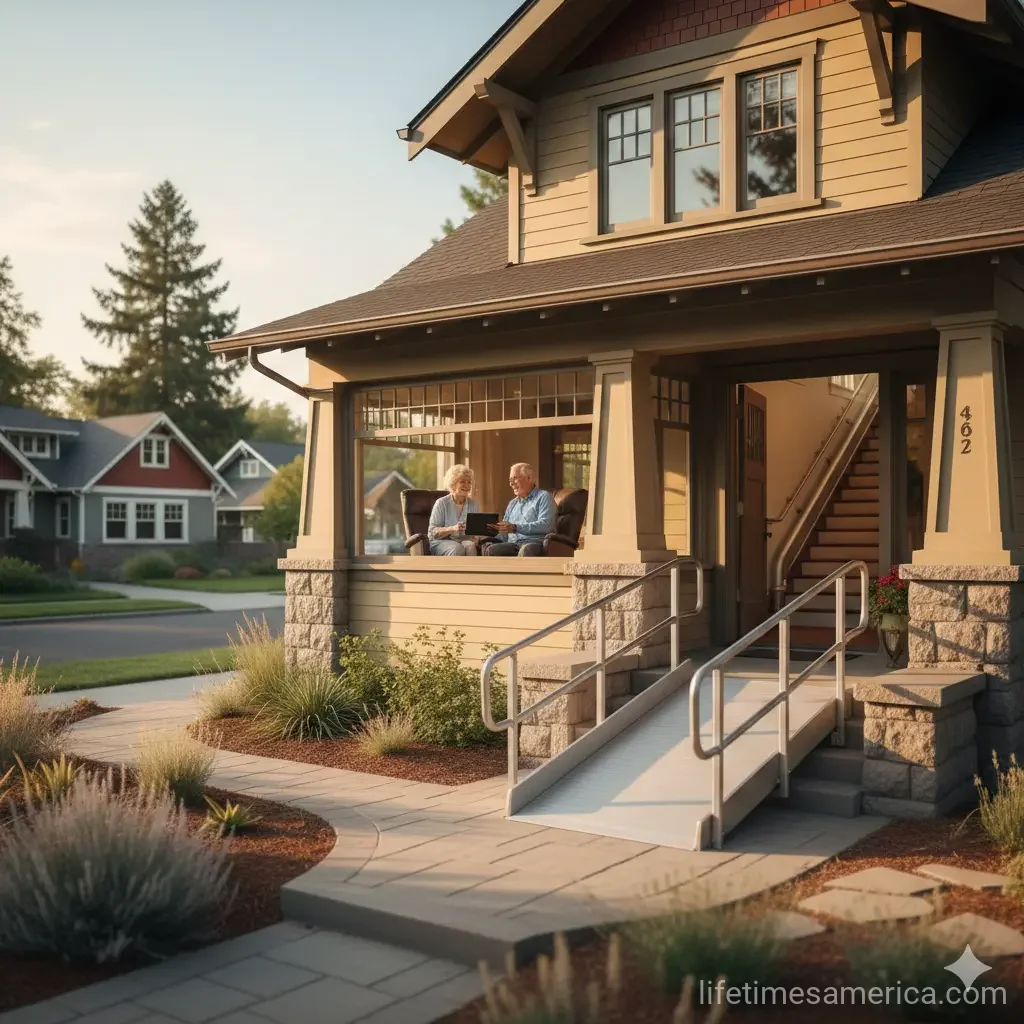
Imagine staying in the home you've loved for decades, navigating it safely and independently as the years go by. That's the promise of aging in place, a choice over 77% of Americans over 50 want to ma...
The Lifetimes America editorial team curates, fact-checks, and updates guides on personal finance, property, health, immigration, legal, business, and lifestyle topics relevant to Lifetimes America readers. Articles are produced with AI assistance and reviewed by the editorial team before publication.
Imagine staying in the home you've loved for decades, navigating it safely and independently as the years go by. That's the promise of aging in place, a choice over 77% of Americans over 50 want to make—but it often comes with real costs to modify your space for senior living.
These modifications aren't just about safety; they're a smart financial move. While assisted living can run $60,000 to $100,000 per year, targeted home updates often cost a fraction and let you avoid those expenses altogether. In this guide, we'll break down the real cost of "aging in place": modifying your home for senior living, with 2026 pricing, practical tips, and U.S.-specific resources to help you plan ahead.
Why Aging in Place Makes Financial Sense
Most homes aren't built for aging bodies—narrow doorways, high counters, and slippery bathrooms pose real risks. Falls alone cause over 3 million emergency visits yearly for seniors, often leading to costly hospital stays or nursing home moves. Modifying early prevents that: a simple grab bar install might cost $200 today but save $50,000 in future medical bills.
Average national spending on these updates hits around $9,500, far less than assisted living's $4,500 monthly average (2021 data, with costs rising into 2026). Plus, accessible homes can boost resale value as demand grows for "universal design" features.
Key Benefits Beyond Cost Savings
- Maintain independence: Stay in a familiar environment, reducing stress and supporting mental health.
- Prevent injuries: Grab bars and better lighting cut fall risks dramatically.
- Future-proof your home: Adaptable features like movable cabinets serve all ages.
- Increase property value: Buyers seek move-in-ready accessible homes.
Breaking Down the Costs: What to Expect in 2026
Costs vary by your home's age, location, and project scope—older homes in urban areas like New York or San Francisco often run 20-50% higher due to labor and permits. Here's a realistic 2026 breakdown by category.
Low-Cost Upgrades ($25-$500 Each)
Start here for quick wins. Many are DIY-friendly or handyman jobs.
| Modification | Average Cost | Why It Matters |
|---|---|---|
| Grab bars in bathrooms | $100-$300 | Prevents slips; Medicare may cover 80% with medical need. |
| Lever door handles | $25-$50 | Easier for arthritic hands. |
| Handheld showerheads | $50-$150 | Allows seated showers. |
| Nonslip mats/risers | $25-$100 | Reduces fall risks on slick floors. |
| Better lighting (LED motion sensors) | $50-$200 | Critical for aging eyes; prevents trips. |
Mid-Range Modifications ($1,000-$10,000)
These improve daily function without major demo.
- Bathroom updates (roll-in shower, taller toilet): $5,000-$10,000.
- Kitchen tweaks (lower counters, pull-out shelves): $2,000-$5,000.
- Ramps for entryways: $1,500-$4,000, depending on length and incline.
High-Cost Structural Changes ($10,000-$50,000+)
For multi-level or wheelchair needs, budget big and get permits.
| Modification | Average Cost | Notes |
|---|---|---|
| Widening doorways/hallways | $5,000-$15,000 | Essential for wheelchairs; older homes need framing work. |
| Stairlifts | $3,000-$7,000 | Popular for two-story homes; rentals available short-term. |
| First-floor bedroom/bath addition | $20,000-$50,000 | Avoids stairs entirely. |
| Full elevators | $30,000-$60,000 | Rare but ideal for estates. |
Total projects often land at $3,000-$15,000, with a $9,500 national average. Factor in 10-20% extra for surprises like plumbing in older homes.
Room-by-Room Guide to Senior-Friendly Modifications
Bathrooms: High-Risk Zone #1
Slippery floors cause 80% of home falls. Prioritize walk-in showers ($8,000-$10,000 total), grab bars, and fold-down benches.
Kitchens: Adapt for Seated Use
Lower counters to 34 inches, add pull-out drawers. Cost: $2,000-$6,000. Lever faucets prevent struggles.
Entrances and Stairs: Mobility Musts
Zero-step entries or ramps open your home. For stairs, stairlifts beat full remodels.
Bedrooms and Living Areas: Comfort First
Main-floor master, wider paths (36 inches min), smart lights. Add emergency call systems ($200-$500).
Financial Assistance: U.S. Programs for 2026
Medicare doesn't cover modifications outright, but Part B reimburses 80% for medically necessary durable equipment like grab bars via hospice or Advantage plans. Check Medicare.gov for details.
State Medicaid waivers (e.g., Home and Community-Based Services) fund mods for low-income seniors to avoid nursing homes—apply early, as waits hit 12 months. Non-profits like Rebuilding Together offer free labor; search via USA.gov.
Veterans: VA grants up to $117,014 (2026 adjusted) for adaptive housing—contact VA.gov. Tax deductions possible via IRS medical expense rules (over 7.5% AGI).
Practical Tips to Save Money and Avoid Pitfalls
- Plan proactively: Assess needs now via AARP's free home audit tool at AARP.org.
- Get multiple quotes: Shop agencies; prices vary 20-30%.
- Hire CAPS pros: Certified Aging-in-Place Specialists ensure code compliance.
- Phase projects: Low-cost first, structural later.
- Check incentives: Energy-efficient upgrades (LEDs, insulation) qualify for federal tax credits.
FAQ
Does Medicare cover home modifications for aging in place?
No, but it covers 80% of certain equipment like grab bars if medically necessary. Medicare Advantage plans often expand this.
How much does a full bathroom remodel cost for seniors?
$8,000-$10,000 for basics like roll-in showers and grab bars; more for luxury finishes.
Are there grants for low-income seniors?
Yes—Medicaid waivers, VA grants, and Rebuilding Together. Start at USA.gov or your state aging office.
What's cheaper: modifications or assisted living?
Mods cost $3,000-$15,000 upfront vs. $50,000+ yearly for facilities.
Do modifications increase home value?
Often yes, especially universal design features appealing to broad buyers.
How long do projects take?
DIY: days. Structural: 4-12 weeks, plus permit time.
Next Steps: Make Aging in Place a Reality
Start with a free home safety checklist from Age Safe America or AARP. Get 3 contractor quotes from certified pros, explore funding via Medicare.gov or USA.gov, and tackle one room at a time. These changes aren't just costs—they're investments in your independence and peace of mind. Your home can work for you for years to come.
Related Articles
The Pros and Cons of Solar Panel Financing for US Homeowners
Imagine slashing your electricity bills by thousands over the next 25 years while powering your home with clean, renewable energy—all without breaking the bank upfront. For US homeowners in 2026, sola...
How to Claim a Tax Credit for "Historic Home" Renovations
Imagine breathing new life into a charming Victorian home from the 1890s, preserving its ornate gingerbread trim and original hardwood floors while slashing your tax bill by thousands. That's the powe...
How to Protect Your Home from "Title Theft" in 2026
Imagine waking up to find a stranger living in your home, or worse, discovering your property has been sold out from under you—all because a criminal forged your name on a deed. In 2026, "title theft"...