The Cost of "Granny Flats" in 2026: Building an ADU for Rental Income
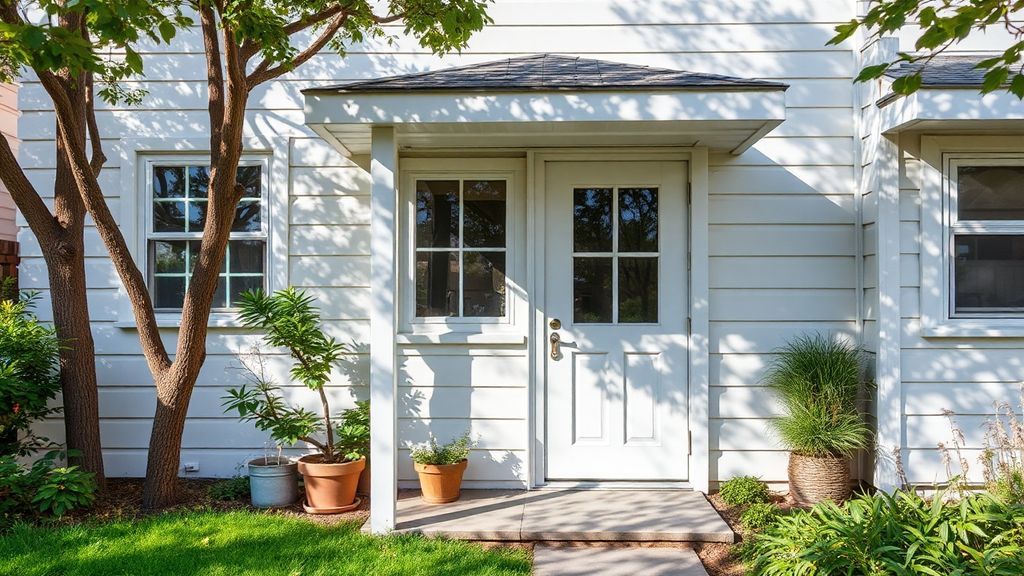
Imagine turning your backyard into a steady stream of rental income while boosting your home's value—all without selling your property. In 2026, building a **granny flat**, or Accessory Dwelling Unit...
The Lifetimes America editorial team curates, fact-checks, and updates guides on personal finance, property, health, immigration, legal, business, and lifestyle topics relevant to Lifetimes America readers. Articles are produced with AI assistance and reviewed by the editorial team before publication.
Imagine turning your backyard into a steady stream of rental income while boosting your home's value—all without selling your property. In 2026, building a **granny flat**, or Accessory Dwelling Unit (ADU), has become a smart real estate move for Americans facing high housing costs and zoning reforms. With rental yields potentially covering construction costs in just a few years, let's break down **the cost of "granny flats" in 2026** and how to build one for **rental income**.
What Is a Granny Flat or ADU?
An ADU is a secondary housing unit on the same lot as your primary home, complete with its own kitchen, bathroom, and entrance. Known as **granny flats**, in-law suites, or backyard cottages, these versatile spaces house family, generate rent, or serve as a home office.ADUs are popular nationwide, especially in states like California, where laws since 2020 have streamlined approvals.[1]
Types include:
- Detached ADU: Standalone structure, ideal for privacy and rental appeal.
- Attached ADU: Extension of your main house.
- Junior ADU (JADU): Smaller unit carved from your existing home, up to 500 sq ft.[1]
- Conversion ADU: Repurposed garage or basement, often the most affordable.
Check local zoning via your city's planning department or tools like USA.gov's housing resources to confirm eligibility.[1]
ADU Regulations Across the United States in 2026
Federal incentives and state laws make ADUs easier to build. California's rules allow detached ADUs up to 800 sq ft statewide, with cities like San Diego permitting up to 1,200 sq ft or even two-story units.[1] Other states follow suit: Oregon mandates ADU approvals, while Colorado and Washington offer streamlined permits.
Key Local Variations
- San Diego: Bonus ADU program for low-income rentals, up to additional units.[1]
- Poway, CA: Up to 1,500 sq ft allowed.[1]
- National trend: Many cities cap at 1,000-1,200 sq ft; height limits often 16-25 ft.
Always verify with your local building department—permits average $2,000-$11,000 based on size and location.[5] Use resources like the U.S. Census Bureau for zoning data.
Breakdown of Granny Flat Costs in 2026
**The cost of "granny flats" in 2026** averages $100-$300 per square foot nationwide, but expect $150-$450 in high-demand areas like California due to labor and materials inflation.[2][3][4] For a typical 600 sq ft unit, budgets range from $90,000-$180,000 for mid-range builds, scaling to $250,000+ for premium detached models.[2][3]
Cost by ADU Size
| ADU Size (sq ft) | Average Cost Range |
|---|---|
| 400 | $40,000 – $120,000[3] |
| 500 | $50,000 – $150,000[3] |
| 600 | $60,000 – $180,000[2][3] |
| 750 | $75,000 – $225,000[3] |
| 1,000 | $100,000 – $300,000[3] |
| 1,200 | $120,000 – $360,000[3] |
Cost by ADU Type
| ADU Type | Average Cost Range |
|---|---|
| Basement/Garage Conversion | $60,000–$150,000[4] |
| Attached New Construction | $75,000–$135,000 (600 sq ft)[3] |
| Detached New Construction | $90,000–$150,000 (600 sq ft); up to $400,000[2][3] |
| Above-Garage | $128,000–$225,000[4] |
California-specific: San Diego detached ADUs hit $300,000-$500,000 due to site prep and utilities.[1] Prefab options save 10-20% over custom builds.[5]
Hidden Costs to Budget For
- Site Prep & Foundation: $10,000-$50,000 for grading, soil tests.
- Utilities: $15,000-$30,000 for new plumbing, electrical, HVAC in detached units.[3]
- Permits & Fees: $2,000-$11,000.[5]
- Design/Architecture: 5-10% of total ($5,000-$20,000).
- Amenities: Add $5,000-$15,000 for skylights, HVAC, laundry to boost rent.[5]
Regional differences: Chicago ($150k-$350k), Atlanta ($110k-$290k).[4] Factor in 2026 inflation—labor up 5-7% yearly per BLS data.
Financing Your ADU Build
Home equity loans, HELOCs, or construction loans cover most projects. FHA 203(k) loans bundle rehab costs; check irs.gov for tax credits on energy-efficient builds. ROI shines: Property values rise 20-35% post-ADU.[6] Rental income of $1,200-$4,000/month yields payback in 2-10 years.[6]
Rental Income Potential from Your Granny Flat
In 2026's tight market, ADUs rent for $1,500-$3,500/month in California, $1,200-$2,500 elsewhere.[2][6] A $200,000 build at $2,500 rent recoups in ~7 years, plus equity gains. List on platforms like Zillow; screen tenants via local landlord laws. Deduct mortgage interest and depreciation on IRS Schedule E.
Maximizing Returns
- Choose high-demand locations near jobs/transit.
- Add renter-friendly upgrades like in-unit laundry.
- Comply with fair housing rules (hud.gov).
Practical Tips for Building Your ADU
Start with a feasibility study: Hire an architect or prefab specialist. Use pre-approved plans to cut design time. Partner with licensed builders—get 3 bids. Timeline: 3-6 months for conversions, 6-12 for new builds. Go green with solar for rebates via energy.gov.
Next Steps to Build Your Income-Generating ADU
Assess your lot's potential, consult local planners, and get quotes from ADU specialists. Tools like HomeAdvisor or Angi connect you with pros. With housing shortages persisting, 2026 is prime time—start planning today for rental income tomorrow.
Frequently Asked Questions
Sources & References
-
1
Granny Flat Guide: Costs, Designs & Building Tips — snapadu.com
-
2
How Much Does It Cost to Build an ADU in 2026? Price Guide — teama-1c.com
-
3
How Much Does It Cost to Build an ADU? (2026) - HomeGuide — homeguide.com
-
4
How Much Does an ADU Cost to Build? [2026 Data] | Angi — www.angi.com
-
5
ADU Cost Per Square Foot: Breakdown and Comparison - RenoFi — www.renofi.com
-
6
ADU ROI in 2026: Is Building an ADU Worth the Investment? — betterplacedesignbuild.com
Related Articles
How to Get a "Short-Term" Rental Mortgage for a Florida Beach House
Imagine waking up to the sound of waves crashing on a pristine Florida beach, then earning steady income from tourists staying in your very own beach house when you're not there. That's the dream for...

How to Negotiate "Tenant Improvements" in a Commercial Lease
Imagine signing a commercial lease only to discover your dream office space needs thousands in renovations just to fit your business—and you're footing the entire bill. For American business owners, n...

The Best "States" for Landlords: Protecting Your Rental Property ROI
Investing in rental properties can build long-term wealth, but choosing the right state makes all the difference in protecting your return on investment (ROI). In 2026, landlord-friendly states stand...

How to Use "Crowdfunded" Real Estate to Build Passive Income
Imagine generating steady passive income from real estate without the headaches of finding tenants, fixing leaky roofs, or dealing with mortgages. That's the promise of crowdfunded real estate, where...