How to Buy "Land" in the USA: A Beginner's Guide to Rural Property
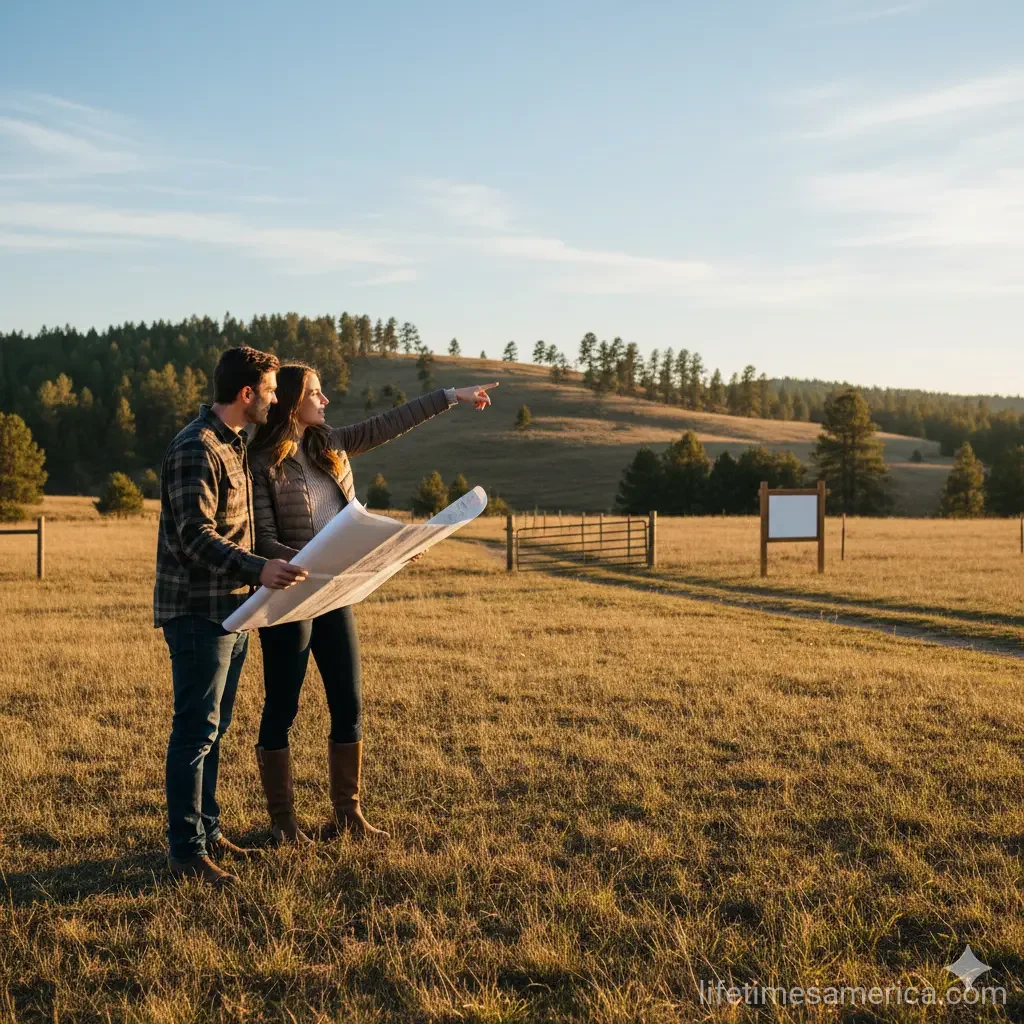
Imagine waking up to the sound of birds chirping, with wide-open spaces stretching out before you—no neighbors in sight, just pure, untamed potential. Buying rural land in the USA offers that dream, w...
The Lifetimes America editorial team curates, fact-checks, and updates guides on personal finance, property, health, immigration, legal, business, and lifestyle topics relevant to Lifetimes America readers. Articles are produced with AI assistance and reviewed by the editorial team before publication.
Imagine waking up to the sound of birds chirping, with wide-open spaces stretching out before you—no neighbors in sight, just pure, untamed potential. Buying rural land in the USA offers that dream, whether you're eyeing a homestead, farm, or quiet retreat. This beginner's guide walks you through every step, from dreaming big to signing on the dotted line, tailored for Americans ready to claim their slice of the countryside in 2026.
Why Buy Rural Land in 2026?
Rural land investing is booming as a massive wealth transfer reshapes American farmland—$24 trillion worth is changing hands as older farmers retire or pass on. It's a chance for everyday folks to build generational wealth through localized farming, off-grid living, or simple appreciation. Affordable parcels in states like Texas, Arizona, and Missouri top lists for value and beauty in 2026.
Beyond investment, rural property promises freedom: space for solar panels, livestock, or RVs. But it's not without hurdles—think utilities, zoning, and financing quirks unique to vacant land. We'll cover how to navigate them smartly.
Step 1: Define Your Goals and Budget
Start by clarifying your vision. Want a primary residence, farm, or vacation spot? Lenders need to know, as financing varies. For homesteaders, check USDA eligibility for rural areas; low- to moderate-income families can snag zero-down loans if the land meets standards like road access and water supply.
Setting a Realistic Budget
Factor in more than purchase price: surveys, permits, and development can add 20-50% upfront. Get pre-qualified with lenders early—discuss land loans, USDA options, or home equity lines. Your credit score dictates rates; expect 20-50% down for raw land versus 3-20% for homes.
- Calculate affordability: Use online tools from Farm Credit or banks to estimate payments.
- Buffer for extras: Soil tests ($500-2,000), surveys ($1,000+), and driveway permits if on county roads.
- Pro tip: Aim for land under $5,000/acre in emerging areas like the Midwest for beginners.
Step 2: Find Your Perfect Parcel
Tools like Zillow, LandWatch, or Mossy Oak Properties list thousands of rural listings. Filter by acreage, price, and features—hunt in top states for 2026: Texas (affordable vast tracts), Arizona (desert beauty), or Tennessee (rolling hills).
Hiring the Right Real Estate Agent
Don't go solo—partner with a land-savvy agent experienced in rural sales. They'll spot deals, negotiate, and flag issues like flood zones. Local experts know county quirks, like protected trees or slopes hidden in photos that could cost $30,000 to grade.
Drive the property yourself: Walk the bounds with a surveyor to verify boundaries. Online pics deceive—flat listings might hide steep inclines.
Step 3: Secure Financing Options
Cash is king, but most need loans. Traditional banks offer land financing with higher down payments (20-50%) and rates based on credit. For rural buyers:
| Loan Type | Key Features | Best For |
|---|---|---|
| USDA Loans | 0% down, for primary residences in eligible rural areas; requires farming plan or experience for some. | Low-income homesteaders |
| Farm Credit | Flexible for ag use; shop if USDA doesn't fit. | Farmers/investors |
| Owner Financing | Seller-funded, flexible terms; great if banks say no. | Cash-strapped buyers |
| SBA 504 or Grants | For business/farm startups; USDA grants for specialty crops. | Entrepreneurs |
Explore grants for community projects or small farms—federal programs promote rural growth. Crowdfunding or seller carry-back offers creative paths.
Step 4: Master Due Diligence
This is where deals die—skip it, and you could buy unbuildable dirt. Hire pros for:
- Title Search: Confirms clear ownership, no liens.
- Survey: Maps exact boundaries; essential for rural plots.
- Environmental Checks: Soil percolation for septic, wetlands, or contamination.
- Zoning & Permits: Verify buildability, setbacks, and road access. Pull driveway permits early.
- Utilities: Power, water, sewer—rural means wells/septics often ($10,000+).
Review disclosures: Sellers must reveal issues per state laws. Test soil if building—failed perc tests kill septic dreams.
Step 5: Make an Offer and Close
With due diligence done, craft an offer: Base it on survey value and comps. Include contingencies for financing, appraisal, title, and buildability. Submit via agent, negotiate, then sign the purchase agreement detailing price, closing date (30-60 days), and earnest money deposit.
At closing: Final walkthrough, wire funds, get keys (or deed). Expect fees: title insurance, recording ($1,000-5,000).
Common Pitfalls to Avoid
- Assuming utilities exist—many rural spots don't.
- Ignoring easements or land-use agreements that restrict your plans.
- Skipping surveys—boundary fights are costly.
- Overlooking county rules, like protected species or slope limits.
FAQ
How much down payment do I need for rural land?
Expect 20-50% for land loans; USDA offers 0% for qualified rural homes.
Can I finance raw land with bad credit?
Yes—try owner financing or Farm Credit. Unconventional options abound if traditional lenders balk.
What's the best state for cheap rural land in 2026?
Texas, Arizona, and Missouri lead for affordability and growth potential.
Do I need a real estate agent for land?
Highly recommended—land pros spot issues homes agents miss.
How long does buying land take?
30-90 days, longer with financing or surveys.
Can I live in an RV on raw land?
Often yes if utilities exist, but check zoning—some require building plans.
Next Steps to Your Rural Dream
Ready? Pre-qualify with a lender today, browse Zillow for listings in your target states, and connect with a local land agent. Run due diligence like your future depends on it—because it does. With smart planning, you'll own that rural paradise, building equity and independence one acre at a time. Start small, think big, and happy land hunting!
Related Articles
The Cost of "Granny Flats" in 2026: Building an ADU for Rental Income
Imagine turning your backyard into a steady stream of rental income while boosting your home's value—all without selling your property. In 2026, building a **granny flat**, or Accessory Dwelling Unit...

How to Get a "Short-Term" Rental Mortgage for a Florida Beach House
Imagine waking up to the sound of waves crashing on a pristine Florida beach, then earning steady income from tourists staying in your very own beach house when you're not there. That's the dream for...

How to Negotiate "Tenant Improvements" in a Commercial Lease
Imagine signing a commercial lease only to discover your dream office space needs thousands in renovations just to fit your business—and you're footing the entire bill. For American business owners, n...

The Best "States" for Landlords: Protecting Your Rental Property ROI
Investing in rental properties can build long-term wealth, but choosing the right state makes all the difference in protecting your return on investment (ROI). In 2026, landlord-friendly states stand...