Buying a Used Car in the USA: The 2026 Inspection Checklist
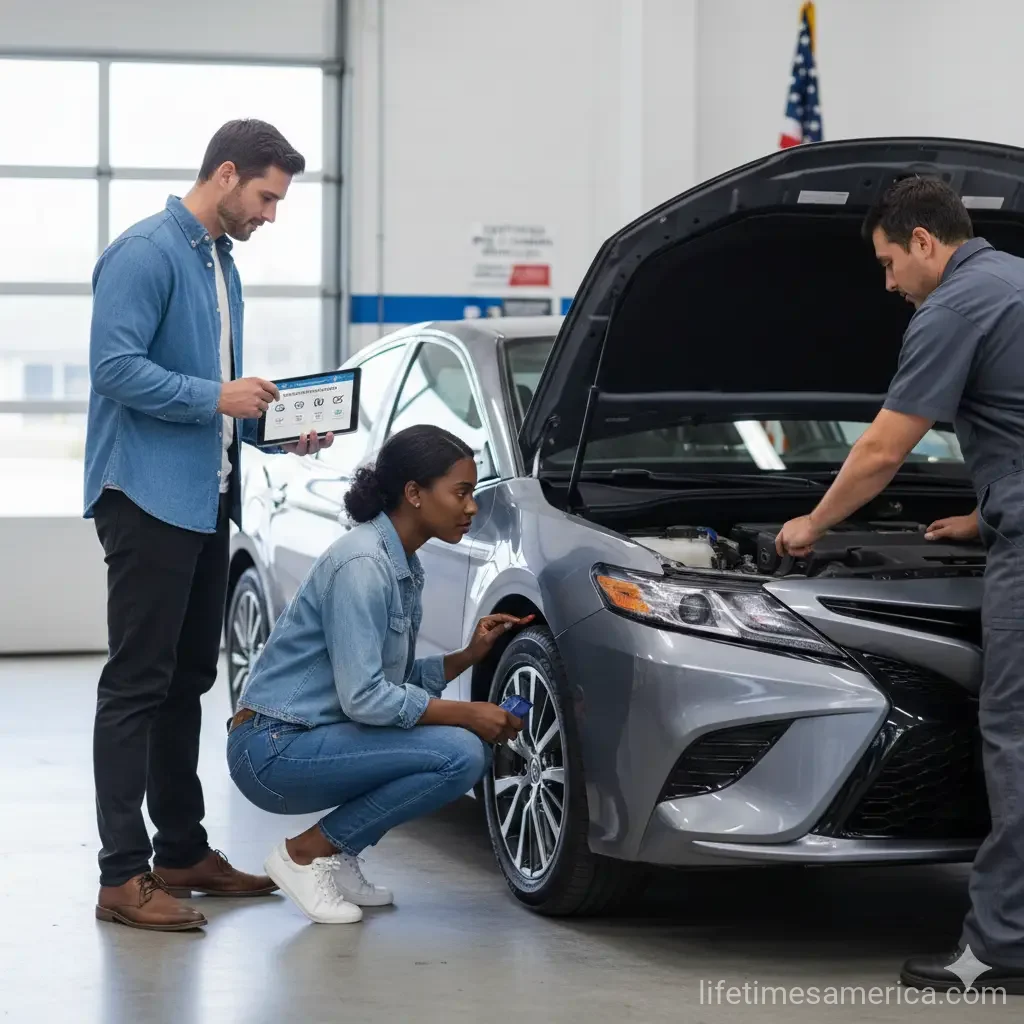
Buying a used car is one of the biggest financial decisions you'll make, and getting it right means protecting yourself from costly repairs and hidden problems. Whether you're looking for your first c...
The Lifetimes America editorial team curates, fact-checks, and updates guides on personal finance, property, health, immigration, legal, business, and lifestyle topics relevant to Lifetimes America readers. Articles are produced with AI assistance and reviewed by the editorial team before publication.
Buying a used car is one of the biggest financial decisions you'll make, and getting it right means protecting yourself from costly repairs and hidden problems. Whether you're looking for your first car or upgrading to something different, a thorough inspection checklist is your best defense against making an expensive mistake. This guide walks you through everything you need to know before signing on the dotted line.
Why a Pre-Purchase Inspection Matters
A comprehensive inspection can save you thousands of dollars in unexpected repairs. Many used car buyers skip this step or rush through it, only to discover major issues after the purchase. Engine problems, transmission failures, rust damage, and hidden accident history can all be identified—or at least suspected—with a careful inspection.
The key is knowing exactly what to look for. You don't need to be a mechanic to spot red flags, but you do need a systematic approach. This checklist gives you that structure.
The Exterior Inspection: What to Look For
Body Condition and Paint
Start your inspection outside the vehicle. Look for misaligned body panels, which often indicate accident damage. Check the paint carefully—paint color variations or overspray on trim pieces suggest the car has been repaired after a collision.
Walk around the entire vehicle slowly and note:
- Dents, dings, or creases in the body panels
- Rust in wheel wells and door frames (a key indicator of flood damage)
- Uneven gaps between panels
- Glass condition—check for cracks, chips, or damage, especially the windshield
Tires and Suspension
Tire condition tells you a lot about how the car was maintained and driven. Check the tread on each tire and look for uneven tire wear patterns, which suggest alignment or suspension problems. Don't forget to inspect the spare tire for cracks or missing components.
For suspension, assess the vehicle's levelness and check for signs of wear and tear in the shock absorbers.
Lights and Lenses
Make sure all exterior lights are working—headlights, taillights, turn signals, and brake lights. Check that lenses and reflectors are intact and clear.
The Interior Inspection: Hidden Problems Inside
Odors and Water Damage
Your nose is one of your best inspection tools. Musty odors, water stains, or mineral deposits indicate flood damage. Smell for moldy or acrid scents that might suggest the car has been in water or heavily smoked in.
Check the floor mats—they should be dry. Water stains on the carpeting or upholstery are major red flags.
Seats and Controls
Inspect all seats for excessive wear, proper function, and comfort, including rear seats and folding mechanisms. Check the pedal rubber wear for indications of driving habits—excessive wear might suggest higher mileage than the odometer shows.
Test every control you can find:
- Windows and door locks
- Dashboard lights (they should turn off at idle)
- All switches, buttons, and levers
- Heater and air conditioning performance
- Audio system
Dashboard Warning Lights
Pay attention to any illuminated warning lights on the dashboard, such as the check engine light, which could indicate various engine and electrical system problems.
Under the Hood: The Engine Compartment
This is where mechanical issues reveal themselves. Start the engine and listen, smell, and observe. Here's what to check:
Fluid Levels and Condition
Check the levels and condition of:
- Engine oil—it should be clean and amber-colored. Sludge indicates neglect. If the oil is foamy or gray, coolant may be mixing with the oil, which indicates a blown cylinder head gasket or cracked engine block—both major problems
- Coolant—check the color and smell. Contamination is a warning sign
- Transmission fluid—it should be clean and odorless. Burnt fluid indicates risk
- Power steering fluid
- Brake fluid
Belts, Hoses, and Leaks
Visually inspect rubber hoses for firmness and cracks. Check drive belts for fraying, cracking, or unusual wear. Look for oil leaks, corrosion, or unusual wear in the engine compartment.
Battery Health
Assess battery health using a charge indicator or by checking fluid levels. Consider asking the seller about a professional battery test, especially for older batteries.
Under the Car: The Hidden Inspection
Get low and check every hidden part. Look for:
- Fluid leaks (oil, coolant, transmission fluid, brake fluid)
- Early signs of rust and structural damage
- Suspension wear and tear
- CV joint boots for damage
- Exhaust system condition
The Test Drive: Revealing Real-World Performance
The test drive should cover a route that includes hills, bumps, and potholes to reveal suspension problems and engine performance. During the drive, listen for unusual noises and check for smooth transmission shifts. Observe how the engine performs under different conditions.
Test the power steering—it should respond smoothly. Jerky responses indicate deeper issues.
Vehicle History and Maintenance Records
Get a Vehicle History Report
Vehicle history reports reveal reported accidents, but not all damage is reported. Services like CARFAX or AutoCheck provide information about:
- Accident history
- Title status (watch for recent titles from hurricane-affected areas)
- Previous owners
- Maintenance records (though service by independent shops may not be listed)
Ask the Right Questions
Request the full-service history of the vehicle. Ask the seller:
- How many previous owners has the car had?
- Has the car been involved in any accidents? If yes, what repairs were made?
- Why are you selling the car?
- Are there any known issues with the vehicle currently?
- Is the car still under warranty, and are there transferable extended warranties?
Red flags in vehicle history include multiple previous owners in short periods, gaps in maintenance records, and evidence of major undocumented repairs.
When to Bring in a Professional Mechanic
If you're unsure about anything, let a qualified mechanic do a pre-purchase inspection. They can:
- Catch odometer fraud
- Spot hidden leak areas
- Measure tire tread depth precisely
- Understand wear patterns that indicate deeper problems
The Federal Trade Commission encourages buyer inspections as smart protection. Most car buyers—even maintenance-savvy ones—simply cannot check a vehicle as comprehensively as an experienced mechanic can. A professional inspection can reveal serious issues that might not be detectable during a parking lot inspection.
High-Mileage Vehicles: Should You Buy One?
High-mileage vehicles can provide good value if properly maintained. The key is understanding usage patterns: highway miles are easier on vehicles than city miles. Rather than focusing solely on mileage numbers, examine the maintenance history and current condition. Budget for more frequent maintenance if you purchase a high-mileage car.
Common Issues to Watch For
Based on used car inspections, the most common problems include:
- Engine and transmission problems
- Rust and body damage
- Fluid leaks
- Worn tires
- Faulty suspension
- Poor brake condition
Any discoveries you make during your inspection can potentially increase your leverage at the bargaining table.
Your Complete Used Car Inspection Checklist
Exterior
- ☐ Check tread on each tire
- ☐ Inspect spare tire for cracks or missing components
- ☐ Walk around slowly and spot dents or rust
- ☐ Look for uneven gaps between panels
- ☐ Check all turn signals and lights
- ☐ Inspect glass for cracks or chips
- ☐ Check paint consistency and rubber seals
Under the Hood
- ☐ Check engine oil level and texture
- ☐ Check coolant color and smell
- ☐ Check transmission fluid condition
- ☐ Inspect belts and hoses for cracks or leaks
- ☐ Check power steering fluid
- ☐ Check brake fluid
- ☐ Assess battery health
Under the Car
- ☐ Look for any fluid leaks
- ☐ Spot early signs of rust
- ☐ Check suspension for wear
- ☐ Inspect the exhaust system
Interior
- ☐ Sniff for musty, moldy, or acrid smells
- ☐ Check all seats for wear and function
- ☐ Assess pedal rubber wear
- ☐ Verify warning light function
- ☐ Test heater and air conditioning
- ☐ Check windows and locks
- ☐ Check floor mats for dryness
Test Drive
- ☐ Drive on hills, bumps, and potholes
- ☐ Listen for unusual noises
- ☐ Check for smooth transmission shifts
- ☐ Test power steering response
- ☐ Test braking performance
Documentation
- ☐ Review full service history
- ☐ Get vehicle history report
- ☐ Ask about previous owners and accidents
- ☐ Check warranty status
Conclusion: Protect Your Investment
Buying a used car doesn't have to be risky. By following this comprehensive inspection checklist, you'll have the information you need to make a confident decision. Take your time, check every item on the list, and don't hesitate to walk away if something doesn't feel right.
Remember: the goal isn't perfection—it's understanding what you're buying. A well-maintained used car with minor cosmetic issues can be a great value. A cheap car with hidden mechanical problems will cost you far more in the long run.
Next steps: Print this checklist, schedule your inspection when you find a car you're interested in, and consider getting a professional mechanic's evaluation before finalizing your purchase. Your wallet will thank you.
Frequently Asked Questions
Sources & References
-
1
The Comprehensive Used Car Buying Checklist - What You Need to Know — www.nissansouthmorrow.com
- 2
-
3
Used Car Inspection Checklist — www.crossroadscars.com
-
4
Car Inspection Checklist for Buyers: A Complete Guide — collegian.com
-
5
Inspect That Used Car Before Buying — www.edmunds.com
Related Articles
The Rising Cost of Auto Parts: How Tariffs Impact Your Repair Bills
Have you noticed your last auto repair bill hitting your wallet harder than expected? You're not alone—tariffs on imported auto parts are driving up costs across the U.S., adding hundreds or even thou...

The Best Family Cars of 2026: Safety; Value; and Fuel Economy
Choosing the right family car in 2026 means balancing three critical factors: safety features that protect your loved ones, fuel efficiency that won't drain your wallet, and overall value that makes f...

How to Get the Best Rate on a Used Car Loan
Getting a competitive rate on a used car loan can save you thousands of dollars over the life of your loan. With rates varying widely based on your credit score, the vehicle you're buying, and where y...

How to Get Out of a Car Lease Early without Penalty
Stuck in a car lease that's no longer right for you? Whether it's rising gas prices, a job change across states, or just wanting a different ride, getting out early without a massive penalty hit feels...