The 2026 Guide to "Solar Renewable Energy Credits" (SRECs)
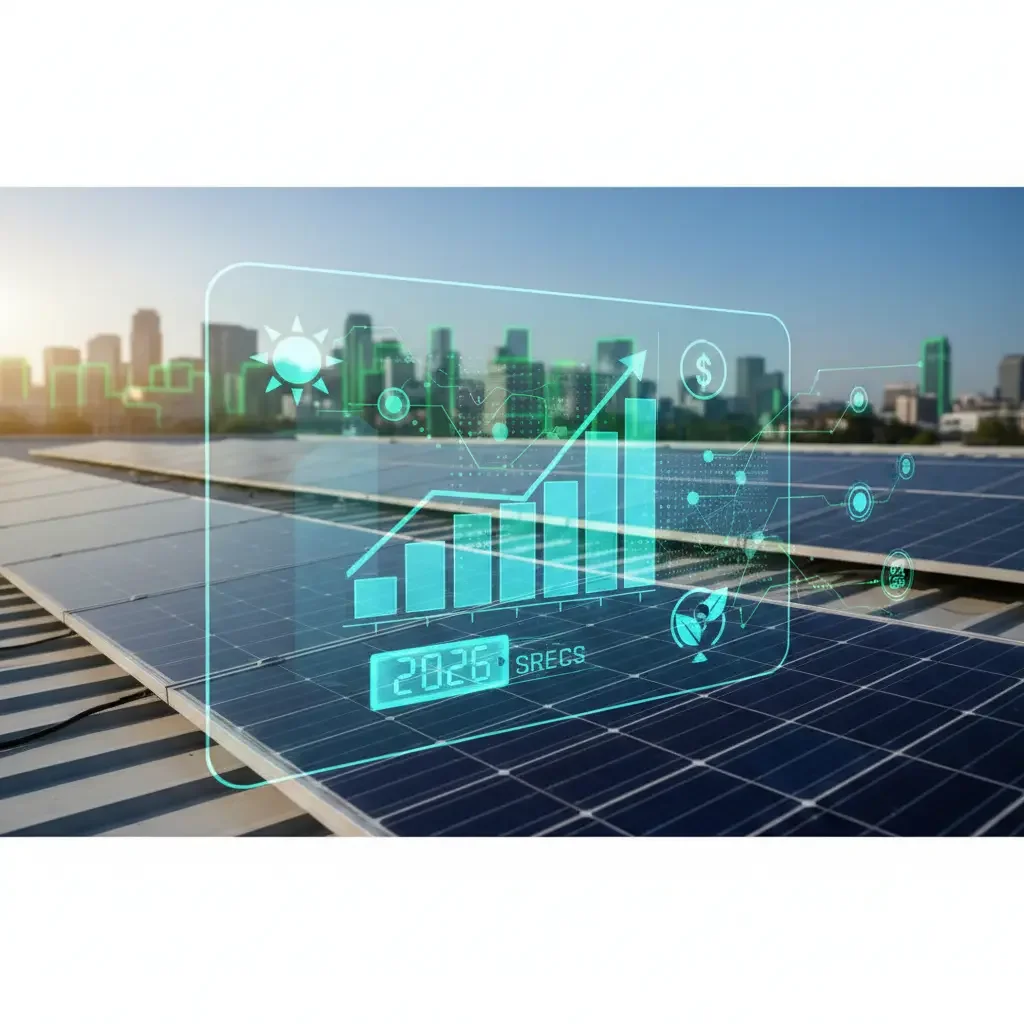
If you've installed solar panels on your home, you might be missing out on a significant income stream. Solar Renewable Energy Credits (SRECs) let you earn money for the clean electricity your system...
The Lifetimes America editorial team curates, fact-checks, and updates guides on personal finance, property, health, immigration, legal, business, and lifestyle topics relevant to Lifetimes America readers. Articles are produced with AI assistance and reviewed by the editorial team before publication.
If you've installed solar panels on your home, you might be missing out on a significant income stream. Solar Renewable Energy Credits (SRECs) let you earn money for the clean electricity your system generates—potentially adding hundreds of dollars to your wallet each year. Whether you're a new solar owner or considering going solar, understanding how SRECs work in 2026 can help you maximize your return on investment.
What Are Solar Renewable Energy Credits?
A Solar Renewable Energy Credit (SREC) is a government-issued credit that allows you to earn money for the electricity your solar panels produce. Think of it as a financial reward for generating clean energy. For every megawatt-hour (MWh)—or 1,000 kilowatt-hours (kWh)—of electricity your system produces, you receive one SREC.
SRECs exist because of state regulations called Renewable Portfolio Standards (RPS). These laws require utility companies to source a specific percentage of their electricity from renewable energy sources. For example, New Jersey has set a goal to produce 50% of its electricity from renewable sources by 2030. Since utilities must meet these requirements, they purchase SRECs from solar system owners—creating a direct financial benefit for homeowners and businesses with solar installations.
Here's the key distinction: an SREC is the solar-specific version of a broader Renewable Energy Certificate (REC). While utilities can purchase various types of renewable energy credits, SRECs specifically represent solar energy production and are only available in states with active SREC programs.
How Do SRECs Work?
The Basic Process
The SREC system follows a straightforward process:
- Your solar system generates electricity
- For every MWh (1,000 kWh) produced, one SREC is created
- You register your system with your state's SREC tracking authority
- SRECs are tracked and verified through state or regional platforms
- You sell your SRECs on the open market or through contracts
- Utility companies purchase these SRECs to meet their RPS requirements
Registration and Tracking
After your solar system is installed, you'll need to register with your state's SREC program. Most solar installation companies handle this registration automatically, so you won't need to navigate the paperwork yourself. Your system will then be registered with the Generation Attribute Tracking System (GATS) or your state's equivalent tracking platform.
Once registered, your system's electricity production is continuously monitored and verified. The tracking system automatically issues SRECs based on your actual energy generation—the more electricity your panels produce, the more credits you'll earn.
Selling Your SRECs
You have two primary options for selling your SRECs:
- Spot Market Sales: Sell your credits monthly or quarterly at current market prices. Spot market prices are generally higher but fluctuate based on supply and demand.
- Contract Sales: Lock in a fixed price per SREC for a multi-year period. Contracts offer lower valuations but provide consistent, predictable earnings over time.
Your choice depends on your risk tolerance and financial goals. If you prefer stability and predictable income, a contract might be better. If you're willing to accept price volatility for potentially higher returns, the spot market could work in your favor.
SREC Availability Across the United States
SRECs aren't available everywhere. Currently, 36 states have enacted some form of Renewable Portfolio Standard, but not all of these states have active SREC markets. The availability and value of SRECs vary significantly by location.
Some states with particularly strong SREC programs include Maryland, where SRECs are worth $50 per 1,000 kWh of solar production (as of December 2025). Washington, D.C. also offers some of the best annual earning rates for SRECs in the U.S..
Before counting on SREC income, check whether your state participates in an active SREC program. You can verify this through the Database of State Incentives for Renewables & Efficiency (DSIRE) or by contacting your state's Public Service Commission.
How Much Can You Earn From SRECs?
Understanding SREC Values
SREC values fluctuate based on market conditions, but each SREC typically trades between $30 and $60. In Maryland specifically, the rate is $50 per 1,000 kWh. These prices change based on supply and demand—as more solar systems are installed, SREC values may decrease.
Real-World Examples
To illustrate potential earnings, consider these scenarios:
- Average System (7,000 kWh/year): Generates 7 SRECs annually. At $50 per credit, that's $350 per year in Maryland.
- 10 kW System: Generates approximately 12 SRECs per year. At $40 per credit, that's roughly $480 annually.
- 12 kW System: Produces 12-14 SRECs per year, potentially earning $480-$560 annually at current rates.
Over a 25-year solar panel lifespan, these earnings add up significantly. A system generating 7 SRECs annually could earn over $8,750 in SREC income alone—on top of the electricity bill savings your solar panels provide.
Important Eligibility Requirements
System Ownership Matters
Here's a critical point: you can only receive SRECs if you own your solar system. If you lease your panels or use a Power Purchase Agreement (PPA), you won't qualify for SRECs. In these arrangements, the leasing company or PPA provider owns the system and claims the credits themselves.
This is an important consideration when deciding how to finance your solar installation. While leases and PPAs offer lower upfront costs, they exclude you from SREC income. Purchasing your system outright or financing it through a loan allows you to capture all SREC benefits.
State-Specific Requirements
Each state with an active SREC program has its own specific registration requirements and processes. Some states use GATS, while others use different tracking systems. Your solar installer should guide you through your state's particular requirements, but it's worth confirming that your state has an active SREC market before finalizing your solar purchase.
SRECs vs. Other Solar Incentives
SRECs are just one of several incentives available to solar system owners. You may also qualify for:
- Federal Investment Tax Credit (ITC): Currently allows you to deduct 30% of your solar installation costs from your federal taxes.
- State Tax Credits: Many states offer additional tax credits beyond the federal incentive.
- Rebates: Direct cash rebates from states and utilities based on system size.
- Performance-Based Incentives: SRECs fall into this category, paying you based on actual energy generation.
These incentives often stack, meaning you can combine the federal tax credit, state incentives, and SREC income to maximize your overall savings and earnings. Consult with your solar installer or a tax professional to understand which incentives apply to your specific situation.
Frequently Asked Questions About SRECs
How many SRECs will my system generate per year?
A typical residential solar system generates between 7 and 9 SRECs per year, depending on system size and location. A 10 kW system, for example, produces approximately 12 SRECs annually. Your actual generation depends on factors like local sunlight availability, system efficiency, and seasonal variations.
Do I need to do anything to receive SRECs?
Your solar installation company typically handles the registration process for you. Once registered, SRECs are automatically tracked and issued based on your system's electricity production. You'll need to decide whether to sell on the spot market or through a contract, but the generation and tracking happen automatically.
What happens if I lease my solar panels?
If you lease your system or use a PPA, the leasing company owns the panels and retains all SRECs. However, the leasing company may pass along some benefits through reduced pricing on your lease payments. If SREC income is important to you, purchasing your system is the better option.
Can SREC prices change?
Yes, SREC prices fluctuate based on market conditions and supply and demand. Spot market prices are more volatile, while contract prices remain fixed for the contract duration. As more solar systems are installed in your state, SREC values may decline. Applying early in your state's program can help you lock in better rates.
Is my state eligible for SRECs?
Only states with active Renewable Portfolio Standards and SREC markets offer these credits. Currently, 36 states have some form of RPS, but not all have functioning SREC markets. Check the Database of State Incentives for Renewables & Efficiency (DSIRE) or contact your state's Public Service Commission to confirm eligibility.
How do I sell my SRECs?
After registration, your SRECs are tracked through your state's system. You can sell them directly on the open market, through SREC aggregators, or through fixed-price contracts with utilities. Your solar installer or an SREC broker can help you navigate the selling process and identify the best option for your situation.
Getting Started With SRECs
If you're considering solar panels or already have a system installed, here are your next steps:
- Verify eligibility: Check whether your state has an active SREC program using DSIRE or your state's Public Service Commission website.
- Confirm system ownership: Make sure you'll own your solar system (not lease it) to qualify for SRECs.
- Register your system: Work with your solar installer to register your system with your state's SREC tracking authority.
- Monitor your production: Track your system's electricity generation through your monitoring app or your state's SREC tracking system.
- Decide on a selling strategy: Evaluate whether spot market or contract sales align better with your financial goals.
- Consult a tax professional: Ensure you understand the tax implications of SREC income in your specific situation.
Solar Renewable Energy Credits represent a meaningful opportunity to increase your return on a solar investment. By understanding how SRECs work and whether you're eligible, you can make informed decisions about going solar and maximizing the financial benefits of clean energy generation. If you already have solar panels, don't leave money on the table—verify that you're registered for your state's SREC program and start earning today.
Useful Tools
Related Articles

How to Use a "Step-Up in Basis" to Save Thousands on Inherited Stock
When you inherit stock or other investment assets, you're getting more than just the property itself—you're potentially getting a massive tax break. The step-up in basis rule is one of the most powerf...

How to Protect Your Crypto Portfolio from 2026 IRS Regulations
As cryptocurrency investments surge in popularity among Americans, the IRS's 2026 regulations introduce stricter reporting that could catch even savvy investors off guard. With Form 1099-DA now mandat...
How to Claim a "Home Office" Deduction as a W-2 Remote Worker?
Millions of Americans are working remotely in 2026, staring at the same four walls while dreaming of turning those home setup costs into tax savings. But if you're a W-2 employee logging in from your...
How to Avoid the "Kiddie Tax" on Your Child’s Investment Income
Imagine gifting your child a nest egg through investments, only to watch a hefty chunk disappear into higher taxes because of a little-known IRS rule called the "kiddie tax." This common pitfall catch...