The Cost of "Private Education" vs. "Home Schooling" in 2026
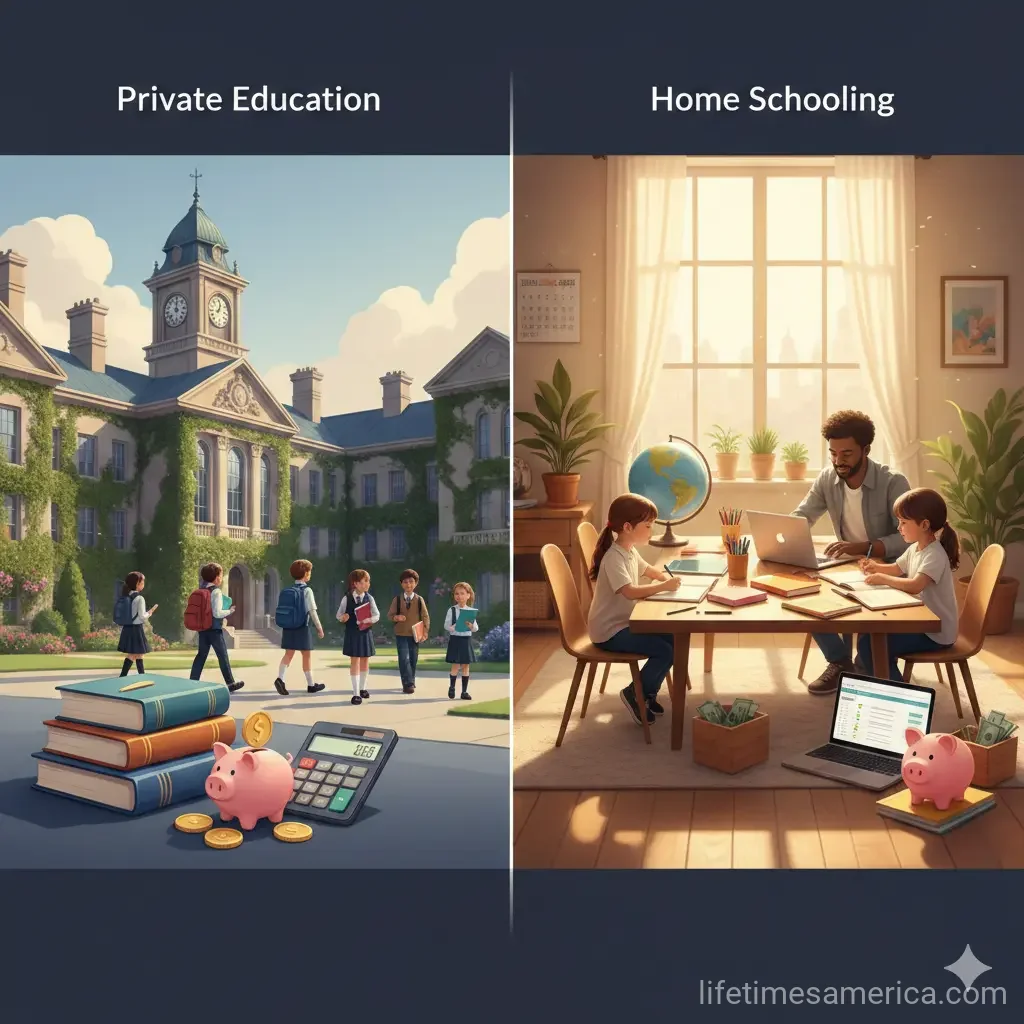
Parents across America are rethinking education options amid rising costs and a push for personalized learning. In 2026, with private school tuitions soaring and homeschooling gaining traction through...
The Lifetimes America editorial team curates, fact-checks, and updates guides on personal finance, property, health, immigration, legal, business, and lifestyle topics relevant to Lifetimes America readers. Articles are produced with AI assistance and reviewed by the editorial team before publication.
Parents across America are rethinking education options amid rising costs and a push for personalized learning. In 2026, with private school tuitions soaring and homeschooling gaining traction through state funding programs, understanding the true cost of "Private Education" vs. "Home Schooling" in 2026 can help families make smarter financial choices.
Whether you're in a high-cost state like Connecticut or exploring flexible alternatives, this breakdown compares expenses, hidden fees, and savings opportunities tailored to U.S. families. We'll dive into real numbers, state-specific resources, and tips to optimize your budget.
Understanding Private School Costs in 2026
Private schools offer structured environments, specialized programs, and smaller class sizes, but they come with a hefty price tag. The national average tuition hovers around $11,000 to $15,000 per year, varying widely by location and grade level.
Average Tuition Breakdown
- Elementary school: About $9,900 annually.
- High school: Up to $14,711 on average, with elite NAIS schools charging $26,866 for day programs.
- State extremes: South Dakota averages $6,000 for high school, while Connecticut hits $42,000 and Massachusetts $38,000.
- Boarding options: Five-day programs average $46,475; seven-day reach $60,600 at top schools.
In urban hotspots like Manhattan, costs can exceed $98,000 yearly for boarding schools starting as early as 12 months old. These figures exclude extras like uniforms, transportation, tutoring, and extracurriculars, which add thousands more.
Hidden Expenses and Opportunity Costs
Beyond tuition, families face "keeping up with the Joneses" pressures—field trips, fundraisers, and gear. Investing $38,000 annually in Massachusetts private school means forgoing potential growth; that money in a 529 plan could compound significantly over 13 years.
Financial experts note tutoring at $6,000 yearly often delivers targeted help cheaper than full tuition. For multi-child families, costs multiply quickly: four kids through K-12 at $40,000 each totals over $2 million.
Homeschooling Expenses: A Flexible, Lower-Cost Alternative
Homeschooling empowers parents to customize education at a fraction of private school prices. In 2026, average annual costs range from $500 to $2,500 per child, depending on resources and extras.
Typical Cost Ranges
| Category | Annual Cost Range |
|---|---|
| Curriculum and Materials | $200–$700 |
| Technology (one-time + software) | $300–$1,000 |
| School Supplies | $100–$600 |
| Extracurriculars/Co-ops | $100–$1,000 |
| Miscellaneous (field trips, etc.) | $100–$250 |
Most families spend $700–$1,800 per child, with minimal setups under $500 using libraries and free digital tools. Enrichment-heavy years with sports or classes can hit $2,500–$4,000. Programs like Schoolio offer full access for $29.99 monthly per student.
Compared to private school's $11,004 average out-of-pocket tuition, homeschooling saves significantly—often 90% or more.
State Funding: Game-Changer for 2026
Education Savings Accounts (ESAs) and vouchers transform homeschooling affordability. In Florida, PEP awards $7,613–$11,950 by county; Georgia's Promise Scholarship provides up to $6,500. Check your state's programs via HSLDA.org or usa.gov for eligibility—over 10 states now offer robust support.
Other aids include 529 plans, tax credits, and scholarships. RaiseRight programs reduce costs through tuition reductions. Higher family income actually correlates with lower homeschooling likelihood due to opportunity costs like forgone earnings.
Direct Cost Comparison: Private vs. Homeschool in 2026
| Expense Type | Private School | Homeschool |
|---|---|---|
| Base Tuition/Primary Cost | $11,000–$42,000 | $500–$2,500 |
| Tech/Supplies | Included + extras | $400–$1,600 |
| Activities/Transportation | $1,000+ | $200–$1,250 |
| Potential Funding | Vouchers/529s | ESAs up to $11,950 |
| Total Avg. Per Child | $16,000–$98,000 | $700–$1,800 |
Homeschooling costs significantly less per child than private tuition, per HSLDA surveys. Public schools are "free" but incur supplies ($100–$300) and activities similar to homeschooling.
Benefits Beyond Cost: Outcomes and Flexibility
Homeschoolers score 15–30% higher on standardized tests, average 72 SAT points above national means, and graduate college at 67% rates. They join five extracurriculars on average, matching private school perks without the price.
Private schools excel in networking and facilities, but homeschooling offers tailored pacing—ideal for gifted or special needs kids. U.S. laws require notification in 40+ states; HSLDA provides compliance guides.
Practical Tips to Minimize Costs
- Leverage free resources: Khan Academy, libraries, and Schoolio trials keep curriculum under $500.
- Join co-ops: Share teaching and costs for $100–$500 yearly.
- Apply for aid: Use IRS tax credits, state ESAs, and 529s—irsgov has deduction details.
- Budget extras first: List 8 weeks of planned spends to avoid overspending.
- Compare locally: Tools like PrivateSchoolReview.com show regional rates.
FAQ
Is homeschooling always cheaper than private school?
Yes, in most cases—by 80–95% without funding. Enrichment can narrow the gap, but ESAs often cover homeschool entirely.
Can I homeschool under $1,000 in 2026?
Absolutely, using libraries and free curricula. Many families do.
What about state laws for homeschooling?
Requirements vary; most need intent notices. HSLDA.org offers state-by-state guides and legal help.
Do private schools offer financial aid?
Yes, via scholarships, merit aid, and need-based programs—up to full tuition at some.
How does family income affect choices?
Higher income reduces homeschool odds due to parental earning trade-offs.
Are there tax benefits for either?
Yes—529 withdrawals for qualified expenses are tax-free; some states credit homeschool supplies. Check irs.gov.
Next Steps for Your Family
Crunch your numbers: Estimate private tuition via local searches, tally homeschool basics, and apply for state aid today. Visit HSLDA.org for compliance, usa.gov/education for resources, or bls.gov for income benchmarks. Trial a curriculum and track one month's costs—your path to affordable, effective education starts now.
Related Articles
The Best US States for "Home Schooling" Families: Costs and Laws
Homeschooling has become an increasingly popular educational choice for American families, but the experience varies dramatically depending on where you live. Some states welcome homeschooling familie...
The Best "States" for Special Education Support and Funding
Every child deserves a quality education tailored to their needs, but for the 7.5 million students with disabilities in U.S. public schools, access to robust special education support can vary dramati...