The Best "Commercial Real Estate" Trends for 2026: Repurposed Offices
Imagine standing in the heart of a bustling city like New York or San Francisco, where towering office buildings that once hummed with daily commuters now sit largely vacant. With hybrid work here to...
The Lifetimes America editorial team curates, fact-checks, and updates guides on personal finance, property, health, immigration, legal, business, and lifestyle topics relevant to Lifetimes America readers. Articles are produced with AI assistance and reviewed by the editorial team before publication.
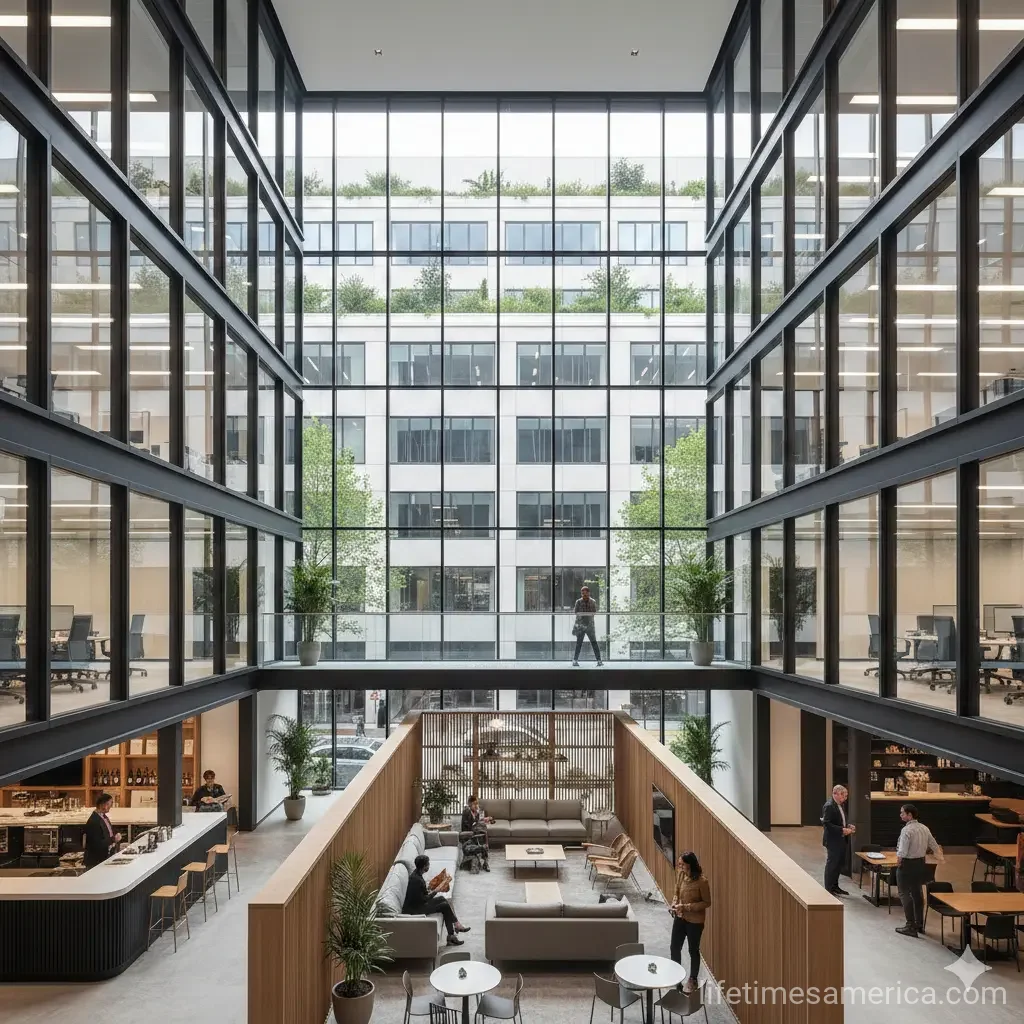
Imagine standing in the heart of a bustling city like New York or San Francisco, where towering office buildings that once hummed with daily commuters now sit largely vacant. With hybrid work here to stay and urban housing shortages worsening, these empty towers are ripe for transformation into vibrant residential havens, mixed-use communities, and sustainable developments. In 2026, repurposed offices stand out as one of the best commercial real estate trends, offering savvy American investors a chance to capitalize on prime locations while addressing pressing societal needs.
This shift isn't just a fad—it's driven by economic realities, environmental imperatives, and smart policy changes across the U.S. Whether you're a seasoned real estate investor or just dipping your toes into commercial properties, understanding office repurposing can unlock high-return opportunities. Let's dive into why this trend is exploding in 2026, backed by the latest market data and practical strategies tailored for U.S. markets.
Why Repurposed Offices Are Dominating Commercial Real Estate in 2026
The commercial real estate landscape in 2026 is marked by resilience and adaptation. While new office construction has plummeted—down 87% from 2020 peaks, with only 1% of U.S. office inventory under construction—conversions and demolitions are outpacing new deliveries. In 2025 alone, 12.8 million square feet of office space was converted to other uses, surpassing the 13.4 million square feet of new builds. Nearly 70% of U.S. office stock predates 1990, making these older buildings prime candidates for repurposing, especially those with over 50% vacancy rates that comprise more than 7% of the market.
Investment activity is surging too, projected to hit $562 billion in 2026, up 16% from prior years. Repurposing taps into this momentum by turning liabilities into assets. High-quality offices are rebounding in cities like Los Angeles, San Francisco, and Midtown Manhattan with record rents, but lower-tier spaces face obsolescence—pushing owners toward conversions.
Key Drivers Fueling the Trend
- Persistent Hybrid Work Models: Companies are downsizing traditional leases for flexible spaces, accelerating the need for office repurposing. Return-to-office mandates have boosted attendance—nearly 60% of Fortune 100 employees now required full-time in 2025, up from 7% in 2023—yet demand favors premium spaces, leaving others vacant.
- Housing Crises in Urban Centers: Major metros like New York, Chicago, and Washington, D.C., grapple with shortages. Converting offices to apartments places housing in walkable, amenity-rich spots, revitalizing neighborhoods.
- Sustainability Push: Repurposing cuts demolition waste, lowers carbon emissions, and aligns with green building standards—a win for ESG-focused investors.
- Mixed-Use Demand: Modern Americans crave all-in-one living with retail, coworking, and recreation under one roof.
Top Repurposing Strategies for 2026 Success
For U.S. investors, the key is targeting the right buildings and navigating local regulations. Focus on Class B and C offices in gateway cities where zoning reforms are accelerating conversions. Here's how to get started with actionable strategies.
1. Office-to-Residential Conversions: The Housing Hero
Turning offices into multifamily housing is the hottest play, especially amid national shortages. In Honolulu, smaller conversions are gaining traction thanks to local laws easing the process, filling gaps left by scarce Class A offices. Nationally, office vacancy hovers at 20%, but positive absorption hit 50 markets in 2025, up from 33 the prior year.
Practical Tips:
- Scout buildings with floor plates under 15,000 sq ft—ideal for residential layouts without major structural overhauls.
- Leverage federal incentives like the Low-Income Housing Tax Credit (LIHTC) via HUD's programs, which pair well with state grants.
- Check city-specific zoning: New York City's Office Conversion Accelerator Program fast-tracks approvals for adaptive reuse.
Expect ROI boosts from premium rents in central locations—multifamily remains a top performer in 2026 outlooks.
2. Mixed-Use Developments: Live-Work-Play Hubs
Mixed-use projects blend residences, retail, and flex spaces, appealing to post-pandemic lifestyles. Obsolete retail and office properties are prime for this, but require early legal coordination for zoning and permits.
In Denver and Chicago, where office rebound lags, mixed-use conversions are bridging the gap by attracting young professionals. Developers report vibrancy from integrated amenities like ground-floor shops and rooftop greenspaces.
Actionable Steps:
- Partner with architects experienced in MEP (mechanical, electrical, plumbing) upgrades—office systems rarely match residential needs.
- Engage community stakeholders early to smooth historic preservation hurdles.
- Secure flexible leases with escalation clauses for retail tenants.
3. Hospitality and Experiential Repurposes
Hotels and event spaces are rising stars. With leisure travel rebounding, underused towers in tourist hubs like Miami convert seamlessly. Sustainability angles shine here too—repurposing preserves urban fabric.
U.S.-Specific Edge: Tap SBA 504 loans for owner-users or 7(a) programs for renovations, offering low rates for commercial conversions.
Navigating Legal and Financial Hurdles in the U.S.
Success demands mastering regulations. Zoning variances are key—many cities now offer density bonuses for adaptive reuse. Comply with updated building codes under the International Building Code (IBC), often requiring fire safety and accessibility retrofits.
Financing is brighter in 2026 with falling rates and rebounding investor appetite—74% plan more buys. REITs lead in data centers but eye office conversions too. Watch capital markets for opportunities in secondary markets.
Risk Mitigation:
- Conduct Phase I environmental assessments per EPA standards.
- Negotiate leases with termination options amid hybrid shifts.
- Model cash flows conservatively—conversions may not "pencil" everywhere yet.
Regional Hotspots for American Investors
Coastal Powerhouses: San Francisco and L.A. lead office comebacks; repurpose for high-end multifamily.
Midwest Opportunities: Chicago's slower rebound favors affordable housing conversions.
Sunbelt Surge: Miami and Austin mix office-to-mixed-use with explosive population growth.
Island Innovators: Honolulu's legislation paves the way for more.
FAQ
What makes a building ideal for office repurposing?
Look for pre-1990 structures with high vacancy (>50%), manageable floor plates, and central locations. Avoid those needing full structural changes.
Are there federal tax breaks for conversions?
Yes, LIHTC and Opportunity Zone incentives apply, plus depreciation benefits under IRS Section 179D for energy-efficient retrofits. Consult irs.gov for 2026 updates.
How long does a conversion take?
Typically 18-36 months, depending on permits. Cities with accelerator programs cut this by 6-12 months.
Is repurposing profitable in 2026?
Projections show strong returns in housing-short markets, with investment up 16% overall. Yields beat holding vacant offices.
What about sustainability certifications?
Aim for LEED or ENERGY STAR—repurposing inherently scores high, boosting tenant appeal and values.
Will offices fully recover, reducing repurposing need?
Prime spaces will, but secondary stock faces ongoing pressure—conversions ensure steady income.
Seize the 2026 Opportunity: Your Next Steps
Repurposed offices aren't just a trend—they're a smart, sustainable path to portfolio growth amid 2026's bright CRE outlook. Start by analyzing local vacancy data via CBRE or Cushman & Wakefield reports, then connect with zoning experts and lenders. Visit usa.gov for federal resources or your city's planning department for incentives. With the right moves, you could turn yesterday's office towers into tomorrow's cash cows—act now before prime properties vanish.
Related Articles
The Cost of "Granny Flats" in 2026: Building an ADU for Rental Income
Imagine turning your backyard into a steady stream of rental income while boosting your home's value—all without selling your property. In 2026, building a **granny flat**, or Accessory Dwelling Unit...
How to Get a "Short-Term" Rental Mortgage for a Florida Beach House
Imagine waking up to the sound of waves crashing on a pristine Florida beach, then earning steady income from tourists staying in your very own beach house when you're not there. That's the dream for...

How to Negotiate "Tenant Improvements" in a Commercial Lease
Imagine signing a commercial lease only to discover your dream office space needs thousands in renovations just to fit your business—and you're footing the entire bill. For American business owners, n...
The Best "States" for Landlords: Protecting Your Rental Property ROI
Investing in rental properties can build long-term wealth, but choosing the right state makes all the difference in protecting your return on investment (ROI). In 2026, landlord-friendly states stand...