The Beginner’s Guide to "House Hacking": Living for Free in the USA
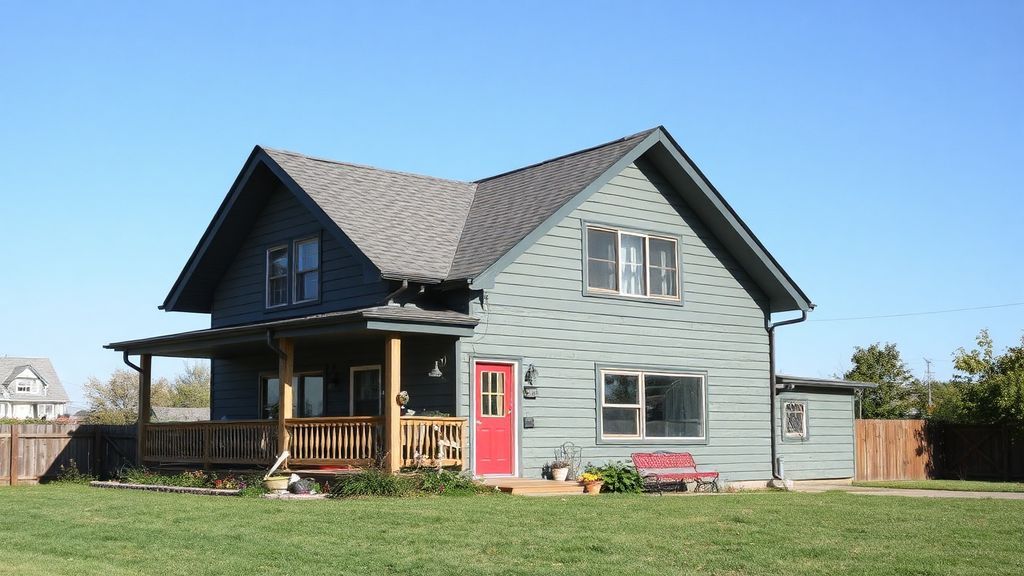
House hacking has become one of the most practical strategies for Americans looking to build real estate wealth without breaking the bank. Whether you're a first-time homebuyer or an investor seeking...
The Lifetimes America editorial team curates, fact-checks, and updates guides on personal finance, property, health, immigration, legal, business, and lifestyle topics relevant to Lifetimes America readers. Articles are produced with AI assistance and reviewed by the editorial team before publication.
House hacking has become one of the most practical strategies for Americans looking to build real estate wealth without breaking the bank. Whether you're a first-time homebuyer or an investor seeking to maximize returns, this approach lets you live in a property while rental income from other units helps cover your mortgage. With median home prices hovering around $416,900 and median household income at $83,150, house hacking offers a realistic path to homeownership and equity building that many people couldn't achieve otherwise.[1]
What Is House Hacking?
House hacking is a real estate strategy where you purchase a property and live in part of it while renting out the remaining space.[2] The rental income you collect helps offset your mortgage payment, property taxes, insurance, and maintenance costs. Unlike traditional rental properties where you're purely an investor, house hacking means you're both a homeowner and a landlord simultaneously.
The beauty of this strategy is that it works across different property types. You could buy a duplex and live in one unit while renting the other, purchase a single-family home and rent out spare bedrooms, or invest in a triplex or fourplex and occupy just one unit.[3] The key principle remains the same: your tenants help you pay for your own housing.
Common House Hacking Strategies
Renting Out Individual Rooms
This is often the simplest entry point for first-time house hackers. You rent out spare bedrooms or a finished basement in your current home to roommates.[1] This approach requires minimal upfront investment beyond what you've already spent on your home, making it accessible for almost anyone who owns a house with extra space.
Buying a Duplex or Multifamily Property
A duplex involves living in one unit and renting the other, while a triplex or fourplex gives you even more rental income potential.[3] Each unit typically has its own kitchen and bathroom, creating clear separation between your living space and your tenants' units. This setup often appeals to people who value privacy while still benefiting from house hacking.
Adding an Accessory Dwelling Unit (ADU)
An ADU—sometimes called a casita—is a secondary dwelling unit on your property. You can live in the main house and rent out the ADU, or vice versa.[3] Many states, including Washington, have expanded ADU laws to make this strategy more accessible. Washington's missing-middle legislation (HB 1110) now allows property owners to build ADUs in many areas, creating additional income streams.[1]
Short-Term Rentals
Some house hackers use platforms like Airbnb to rent out rooms or units for short stays rather than long-term leases.[4] This approach can generate higher monthly income but requires more active management, carries more risk, and may face local zoning restrictions or owner-occupancy requirements.[4] Before pursuing this strategy, you'll need to verify that your city and homeowner association allow short-term rentals.
How House Hacking Works in 2026
The process starts with choosing the right property and financing strategy. You'll need to secure a mortgage as if you were buying a primary residence, which typically offers better interest rates than investment property loans. Many lenders now recognize house hacking as a legitimate strategy and factor in the rental income when determining your borrowing capacity.
Once you own the property, you live in one portion while managing the rental side of the business. This means handling tenant screening, lease agreements, maintenance requests, and ensuring compliance with local landlord-tenant laws. The goal is to have your rental income cover 75-100% of your mortgage payment.[2] When this happens, you're essentially living for free or nearly free while building equity in a property you own.
Financing Your House Hack
Several loan options make house hacking possible for Americans at different financial levels:
- FHA loans: Require just 3.5% down and allow you to finance up to four-unit properties, making them ideal for house hackers.[3]
- VA loans: Available to eligible military members and veterans with 0% down payment required.[3]
- Conventional loans: Typically require 3-5% down and offer competitive rates for well-qualified borrowers.[3]
- Down payment assistance programs: Many states and local governments offer programs to help first-time buyers reduce their down payment requirements.[3]
The key difference when financing a house hack versus a standard home is that lenders may consider your projected rental income as part of your debt-to-income ratio, potentially allowing you to borrow more than you could for a single-family residence you'd occupy alone.
Understanding Local Laws and Regulations
House hacking success depends heavily on where you live. Each state and city has different rules about rentals, zoning, tenant protections, and landlord responsibilities.
Zoning and ADU Laws
Some areas actively encourage house hacking through favorable zoning laws. Washington State's missing-middle legislation, for example, has expanded opportunities for building additional units on residential lots.[1] However, other jurisdictions may restrict the number of rental units or require owner occupancy. Always check your local zoning ordinances before purchasing a property.
Tenant Protections and Eviction Laws
Tenant protection laws vary dramatically across the United States. California has some of the strongest renter protections in the country, including strict rent control rules and eviction protections.[2] Other states like Texas are more landlord-friendly. As a house hacker, you need to understand:
- Notice requirements before entering the property
- Security deposit limits and requirements
- Eviction timelines and procedures
- Habitability standards you must maintain
- Disclosure requirements for lead paint, mold, and past flooding[2]
In Seattle, for example, owners must provide 90-day advance notice if they intend to move into a property to occupy it themselves, with extra protections during the school year and winter eviction moratorium.[1] Violating these rules can result in costly legal battles.
Short-Term Rental Restrictions
If you're considering Airbnb-style rentals, understand that many cities now require owner occupancy and separate licenses for short-term rentals.[1] Some municipalities have banned short-term rentals entirely in residential areas. Check with your city's planning department before committing to this strategy.
Tax Implications for House Hackers
House hacking creates a unique tax situation because you're treating one property as both a primary residence and a rental business. This complexity makes professional guidance essential.
You must report all rental income to the IRS on Schedule E, regardless of the amount.[2] This includes rent from roommates, separate units, ADUs, and any other rental arrangements. If someone rents your spare bedroom for $500 monthly, that's $6,000 in taxable income that must be reported.
On the positive side, you can deduct legitimate business expenses related to the rental portion of your property, including:
- Mortgage interest (on the rental portion)
- Property taxes (allocated to rental units)
- Repairs and maintenance
- Property management fees
- Utilities for common areas
- Depreciation (which can provide significant tax benefits)
However, the rules for allocating expenses between your personal use and rental use can be complex. Working with a tax professional who understands house hacking ensures you're maximizing deductions while staying compliant with IRS regulations.
Pros and Cons of House Hacking
Advantages
- Lower housing costs: Rental income can cover most or all of your mortgage, making homeownership affordable on a modest income.
- Faster equity building: You're building ownership in real estate while tenants help pay down your mortgage.
- Better loan terms: Primary residence mortgages typically offer lower rates than investment property loans.
- Gateway to real estate investing: House hacking introduces you to property management and real estate investing with lower risk.
- Flexibility: You can live in different units or sell the property without the complications of being a pure investor.
Disadvantages
- Tenant management: You're responsible for screening, maintenance, and dealing with difficult tenants while living nearby.
- Privacy concerns: Sharing walls or common spaces with renters requires compromise and clear boundaries.
- Legal complexity: Landlord-tenant laws are strict and vary by location; mistakes can be costly.
- Market dependence: If rental rates in your area decline, your income strategy suffers.
- Property damage risk: Tenants may cause damage, and eviction processes can be lengthy and expensive.
- Tax complexity: Mixing personal and rental use creates accounting challenges.
Is House Hacking Still Worth It in 2026?
Yes—house hacking remains a viable and valuable strategy in 2026, especially for first-time buyers and investors looking to reduce housing costs while building wealth.[3] The strategy works best when you understand your local market, comply with all regulations, and approach tenant management professionally.
The current real estate market, with elevated home prices and interest rates, actually makes house hacking more attractive. By offsetting your housing costs with rental income, you can afford properties that would otherwise be out of reach on your salary alone.
Getting Started With House Hacking
If house hacking appeals to you, here's how to move forward:
- Research your local market: Understand rental rates, zoning laws, and tenant protections in your area.
- Choose your strategy: Decide whether you'll rent rooms in your current home, buy a duplex, or pursue ADUs.
- Run the numbers: Calculate whether rental income will cover at least 75% of your housing costs.
- Get pre-approved: Talk to lenders about house hacking loans and mention your strategy upfront.
- Consult professionals: Work with a real estate agent familiar with house hacking, a tax professional, and possibly a real estate attorney.
- Find the right property: Look for properties that fit your strategy and offer strong rental income potential.
- Manage professionally: Screen tenants carefully, use written leases, and maintain the property properly.
House hacking isn't a get-rich-quick scheme—it's a disciplined, long-term strategy for building wealth while solving your housing cost problem. When executed properly, it can be the foundation of a successful real estate investing career.
Frequently Asked Questions
Sources & References
-
1
House Hacking in 2026: Seattle Strategies & Real Constraints — househackseattle.com
-
2
10 House Hacking Strategies That Actually Work in 2026 — www.amerisave.com
- 3
-
4
What Is House Hacking in Real Estate? — crosscountrymortgage.com
-
5
What is House Hacking? — www.lendingtree.com