The Best "Green" Mortgages: Discounts for Energy-Efficient Homes
Imagine slashing your monthly utility bills while securing a mortgage that rewards your commitment to sustainability. In 2026, green mortgages are making it easier for Americans to buy or upgrade ener...
The Lifetimes America editorial team curates, fact-checks, and updates guides on personal finance, property, health, immigration, legal, business, and lifestyle topics relevant to Lifetimes America readers. Articles are produced with AI assistance and reviewed by the editorial team before publication.
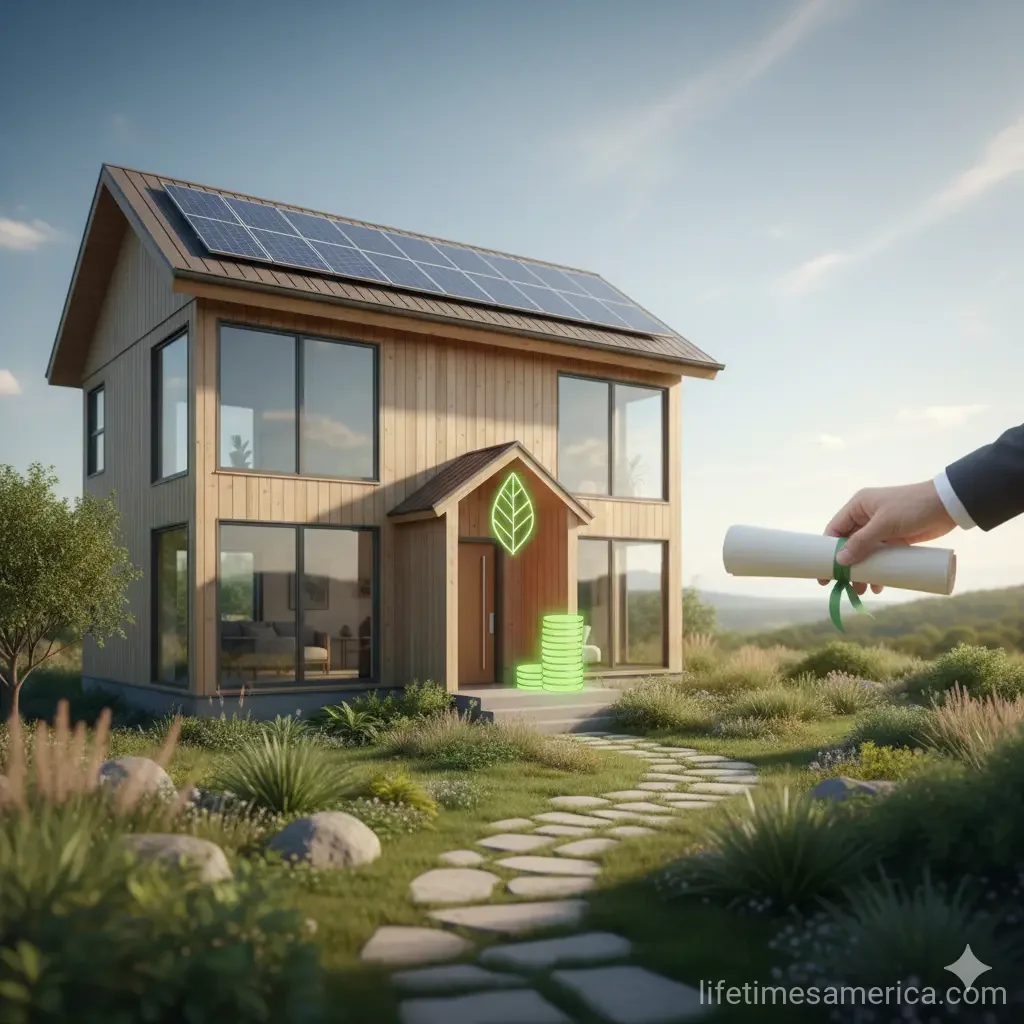
Imagine slashing your monthly utility bills while securing a mortgage that rewards your commitment to sustainability. In 2026, green mortgages are making it easier for Americans to buy or upgrade energy-efficient homes, offering discounts, lower rates, and financing for eco-friendly improvements right into your loan.
With rising energy costs and a push toward net-zero living, these specialized loans from FHA, Fannie Mae, Freddie Mac, and others help you afford solar panels, better insulation, and ENERGY STAR appliances without separate financing. Whether you're a first-time buyer or refinancing, green mortgages align financial smarts with environmental responsibility. Let's dive into the best options available today.
What Are Green Mortgages?
Green mortgages, also known as Energy Efficient Mortgages (EEMs), bundle the costs of energy-saving upgrades into your primary home loan. This approach finances improvements like renewable energy systems, efficient windows, and insulation during purchase or refinance, often with tax-deductible benefits.
Unlike standard mortgages, green loans factor in future utility savings to boost your borrowing power. Lenders verify that upgrades are cost-effective—meaning projected energy savings exceed upfront costs—making them a win for your wallet and the planet.
Key Features of Green Mortgages
- Tax-deductible financing: Roll clean energy improvements into one mortgage, deductible like traditional interest.
- Expanded affordability: Underwriting considers reduced utility bills, qualifying more borrowers.
- Flexible upgrades: Cover solar panels, HVAC systems, weatherization (up to $3,500), and ENERGY STAR products.
- No special approval needed for many programs: Available through conventional, FHA, VA, and USDA loans.
In 2026, these mortgages support the U.S. goal of energy conservation, potentially qualifying 250,000 more homeowners by accounting for utility savings.
Top Green Mortgage Programs in 2026
Several government-backed and private programs lead the way. Here's a breakdown of the best, optimized for American homebuyers seeking discounts on energy-efficient homes.
Fannie Mae HomeStyle Energy Mortgage
This program finances energy upgrades up to 15% of the home's "as-completed" appraised value during purchase or refinance. It's open to all Fannie Mae-approved lenders, no special approval required, and pairs with the DOE Efficient New Homes program for preferential pricing on certified green builds.
Ideal for buyers adding solar or insulation—expect lower utility costs that preserve long-term affordability.
Freddie Mac GreenCHOICE Mortgages
GreenCHOICE lets you finance efficiency improvements with any mortgage product, up to 30-year terms. Eligible upgrades include programmable thermostats, air sealing, high-efficiency HVAC, solar water heaters, and low-flow fixtures.
Combine with Home Possible Mortgages for extra affordability. Freddie Mac backs these through Green MBS bonds, emphasizing utility cost reductions for families.
FHA Energy Efficient Mortgages
FHA's program incorporates upgrades into purchase or refinance loans, capped at the lesser of 5% of property value, 115% of median area price, or 150% of Freddie Mac limits. Costs must not exceed lifetime energy savings.
Perfect for one- or two-unit homes; view current FHA loan limits on fha.com for 2026 specifics.
Other Notable Options
- USDA and VA EEMs: Similar to FHA, these roll in upgrades for rural or veteran buyers, focusing on solar, wind, and weatherization.
- PrimeLending Green Home Loans: Finance windows, doors, solar, insulation, and HVAC—addressing the 71% of homeowners prioritizing efficiency despite cost concerns.
- EastRise Credit Union: Offers extended terms for off-grid or efficiency projects without spiking payments.
These programs often feature discounts like reduced interest rates or cashback for high-efficiency homes, as seen in broader green finance trends.
Benefits of Choosing a Green Mortgage
Beyond discounts, green mortgages deliver tangible savings. Energy upgrades can cut utility bills by 20-30% or more, boosting home value—buyers in 2026 prioritize features like smart thermostats and solar as "new curb appeal."
| Benefit | Impact |
|---|---|
| Lower Utilities | Financing based on savings; e.g., new windows pay for themselves via reduced bills. |
| Increased Home Value | Green homes qualify for larger loans with healthier loan-to-value ratios. |
| Tax Incentives | Deductible interest; pair with federal credits like the Investment Tax Credit for solar (up to 30% through 2026). |
| Affordability | Preserves payments while funding upgrades—no second loans needed. |
Lenders love them too: efficient homes mean lower default risk from stable finances.
Eligibility and How to Qualify
Standard lender criteria apply—credit score (typically 620+), debt-to-income ratio under 43%, and documentation. Prove upgrades are cost-effective via energy audits or HERS ratings.
Steps to Get a Green Mortgage
- Assess your home: Get a professional energy audit to identify eligible upgrades and savings projections.
- Shop lenders: Ask about Fannie Mae, Freddie Mac, or FHA EEMs; use tools on epa.gov for finders.
- Verify improvements: Ensure costs < energy savings; cap at program limits.
- Apply: Submit with standard docs; lenders adjust for utility savings.
- Close and upgrade: Funds disburse for certified work post-closing.
First-year ownership is prime for renovations, per research—lock in green financing now.
Practical Tips for Maximizing Discounts
- Target ENERGY STAR-certified items for easy approval.
- Combine with IRS rebates or state incentives via dsireusa.org.
- Compare rates: Green mortgages may offer 0.25-0.5% lower interest for efficient homes.
- Refinance if rates drop—2026 forecasts steady 6-7% baselines with green premiums.
- Consult HUD-approved counselors for FHA paths (hud.gov).
FAQ
What credit score do I need for a green mortgage?
Typically 620 minimum, but varies by lender and program like FHA (580+ with conditions).
Can I use a green mortgage for solar panels?
Yes, most programs cover solar, wind, and geothermal if cost-effective.
Are green mortgages only for new homes?
No, they work for purchases, refinances, and existing homes in one- to four-unit properties.
How much can I finance in upgrades?
Up to 15% of appraised value (Fannie Mae), $3,500 for weatherization, or 5% of property value (FHA).
Do green mortgages have higher rates?
Often lower or equal, with discounts for efficiency; shop for incentives.
What's the difference between EEM and green mortgage?
EEMs focus on financing upgrades; green mortgages add rewards like rate cuts for efficient properties.
Ready to Go Green? Your Next Steps
Start by auditing your dream home's energy potential—tools on energy.gov make it simple. Contact lenders offering Fannie Mae HomeStyle, Freddie Mac GreenCHOICE, or FHA EEMs today. Pair with 2026 tax credits to amplify savings, and you'll enjoy a more efficient, valuable home for years. Sustainable homeownership isn't just smart—it's the future.